
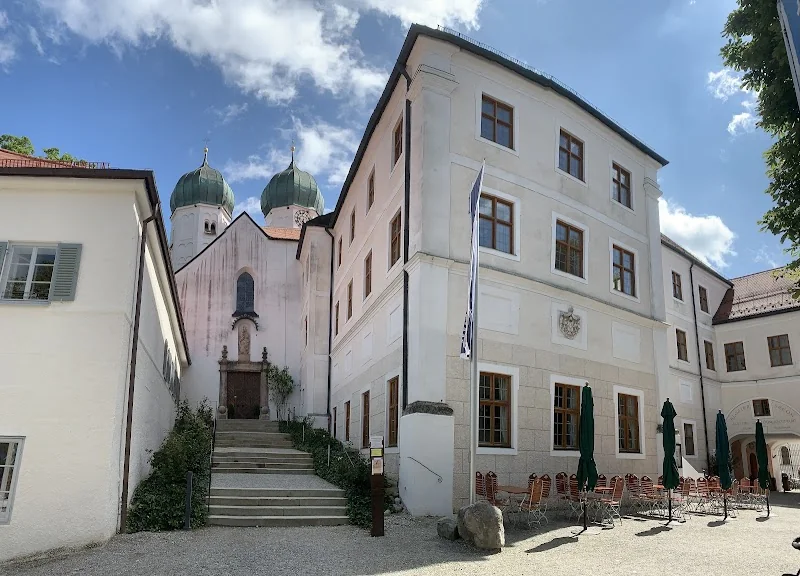
Seeon-Seebruck
Klosterweg 1, 83370 Seeon-Seebruck, Deutschland
Kloster Seeon | Events & Tickets
Kloster Seeon is much more than a historical monastery complex: The cultural and educational center of the district of Upper Bavaria combines monastic history, modern conference infrastructure, and a vibrant cultural program in one of the quietest places in Chiemgau. Located on Klostersee, north of Lake Chiemsee, it creates an atmosphere suitable for concerts, readings, exhibitions, conferences, and retreats. Those searching for Kloster Seeon today expect not only architecture and history but also current events, clear travel information, reliable parking options, seminar rooms, and a place where culture and relaxation visibly belong together. This very mix makes the location so special: historical, quiet, professionally organized, and surprisingly versatile. ([kloster-seeon.de](https://www.kloster-seeon.de/en))
Events, Tickets, and Current Program 2026
The program of Kloster Seeon is deliberately broad and ranges from exhibitions and guided tours to lectures, readings, and workshops, as well as concerts, jazz, folk music, and special musical formats. The official cultural page describes the house as a place where classical music, Mozart weeks, jazz, world music, church concerts, exhibitions, art, and literature regularly shape monastic life. This is particularly attractive for visitors because here not only a single event format develops but a real cultural yearbook. The new permanent exhibition 'Kloster Seeon – 994 to today' invites daily and with free admission to explore more than a thousand years of history; additionally, several guided tours through the exhibition and further presentations in the Mesnerhaus will take place in 2026. Thus, several search intentions arise simultaneously: program, tickets, guided tours, exhibitions, and culture on site. ([kloster-seeon.de](https://www.kloster-seeon.de/en/experience-culture))
The ticket logic is also clearly and practically solved for visitors. The Kloster shop in the Mesnerhaus is the official advance sales point for events in Kloster Seeon and is also a Reservix partner. Additionally, the house's webshop, muenchenticket.de, and the associated advance sales points are available. The individual event pages directly display the admission prices, such as for concerts and readings. This allows for a very targeted search for Kloster Seeon tickets, prices, and events. From an SEO perspective, this is important because the search terms program, tickets, prices, and event calendar connect to a clear user interest: people want to know what is happening, what it costs, and where they can get tickets. ([kloster-seeon.de](https://www.kloster-seeon.de/kultur-erleben/klosterladen?utm_source=openai))
Particularly strong is the connection between cultural breadth and concrete formats. In summer 2026, the official event page will feature guided tours, exhibitions, readings, a concert in the Walburgiskirche, nature experiences by the lake, and the open-air format 'Kloster Seeon rocks!'. This mix shows that the house is not only interesting for classical culture enthusiasts but also for families, day visitors, music lovers, and people looking for an extraordinary backdrop for special evenings. So, those searching for Kloster Seeon events will find not a static event location but a vibrant cultural center with high recognition value and constant program changes. ([kloster-seeon.de](https://www.kloster-seeon.de/kultur-erleben/veranstaltungskalender))
Travel, Parking, and Location at Klostersee
The location is one of the greatest advantages of Kloster Seeon. The house is located at Klosterweg 1 in Seeon-Seebruck and lies by Klostersee, one of the Seeoner lakes north of Lake Chiemsee. The official website describes the place as a quiet cultural site surrounded by water and garden landscape, ideal for congresses, seminars, and cultural events. This combination of secluded atmosphere and good accessibility is a strong argument for many guests, as it conveys distance from everyday life without being logistically complicated. Those searching for photos of Kloster Seeon will repeatedly encounter water, monastery walls, courtyards, and expansive views over the lake. ([kloster-seeon.de](https://www.kloster-seeon.de/en))
The journey by car is officially described in detail. From Munich, you can reach it via the A8, exit 106 Bernau, and continue through Prien, Rimsting, Eggstätt, and Roitham or alternatively via Prien, Rimsting, Breitbrunn, Gstadt, and Seebruck. From Salzburg, the A8 leads via exit 109 Grabenstätt and continues through Chieming and Seebruck. Additionally, routes via the B304 from Munich and the B12 from Passau are mentioned. Particularly pleasant for guests: The parking spaces are free, there are about 150 parking spaces, three disabled parking spaces directly at the main building, and two electric charging stations at the large parking lot. So, those searching for Kloster Seeon travel and parking will find very concrete and user-friendly information. ([kloster-seeon.de](https://www.kloster-seeon.de/ueber-uns/anreise))
For SEO and user experience, this location is a strong argument because it appeals to both day visitors and conference guests. The place consciously appears decelerated but is well connected to the major traffic routes of Bavaria. Especially in connection with the search interest Seeon-Seebruck, it becomes clear that many users do not only mean the monastery as an event location but the entire experience of landscape, lake, historical architecture, and short route planning. This makes the location attractive for people who want to combine an event with an excursion, stay, or cultural short trip. ([kloster-seeon.de](https://www.kloster-seeon.de/en))
Conference Rooms, Seating, and Capacities
Kloster Seeon is not only a cultural site but also a professional conference hotel with a remarkable variety of rooms. The official information mentions 15 conference rooms with areas ranging from about 20 to 300 square meters, as well as 90 rooms. This makes the location suitable for small meetings as well as for conferences, seminars, receptions, and multi-day events. The house features historical rooms with modern equipment, quiet group rooms, and larger halls that allow for different seating arrangements. For search queries like Kloster Seeon conference rooms, room plans, or capacity, these facts are particularly important because they show that it is a flexible location for various event sizes. ([kloster-seeon.de](https://www.kloster-seeon.de/_Resources/Persistent/e/5/1/2/e512253d37452e89e01529ed6fd0717aa950b2b3/Seeon_Folder_Info_zweisprachig.pdf))
The festival hall is the largest and most visibly representative room. It encompasses 182 square meters, accommodates up to 199 people, and features a stage and PA system. On the same level are the Lambertisaal with 120 square meters and up to 80 guests, as well as the adjacent area, which together with the festival hall allows for a combined area of 302 square meters. The Benediktussaal, formerly the dining hall of the monastery, offers 116 square meters for up to 110 people, direct access to the garden, and a view of the lake. Additionally, there are the Fürstenzimmer with 125 square meters and up to 80 people, the Romanus with 50 square meters for 28 people, the seminar room in the former abbot's residence with 80 square meters for up to 50 guests, and the Kramerhaus for smaller groups and confidential discussions. This variety makes the location a true all-rounder for business and cultural formats. ([kloster-seeon.de](https://www.kloster-seeon.de/en/meet-kloster-seeon/meeting-rooms))
Also important is the type of rooms. Kloster Seeon does not rely on sterile conference architecture but on historical substance with stucco ceilings, parquet floors, daylight, lake views, and a quiet, focused atmosphere. The description of the rooms emphasizes high ceilings, clear acoustics, and an environment that is supposed to promote thinking and creativity. This is often crucial for conference clients because the location is not only functional but also emotionally charged. A seminar in a former monastery feels different from a standard hotel conference room: it is quieter, more focused, and ideally more inspiring. That is precisely why Kloster Seeon is suitable for management meetings, retreats, training sessions, cultural specialist events, and representative occasions. ([kloster-seeon.de](https://www.kloster-seeon.de/en/meet-kloster-seeon/meeting-rooms))
History from 994 to the Cultural Center of the District of Upper Bavaria
The history of Kloster Seeon dates back to the year 994 when the Benedictine monastery was founded. As early as the 11th century, a significant school of writing and book painting developed there. In the 12th century, the Romanesque column basilica was built, the core of which is still preserved today. Later followed the late Gothic redesign between about 1425 and 1433, as well as the Baroque renovations of the 17th century, which largely gave the complex its current appearance. A fire in 1561 destroyed large parts of the buildings, but the reconstruction shaped the complex sustainably. This historical depth is palpable for visitors because the rooms are not only beautifully restored but are also truly historic. ([kloster-seeon.de](https://www.kloster-seeon.de/_Resources/Persistent/e/5/1/2/e512253d37452e89e01529ed6fd0717aa950b2b3/Seeon_Folder_Info_zweisprachig.pdf))
Culturally, the monastery was also an impressive place early on. The official history refers to music cultivation in the 16th and 17th centuries and to the special connection to Wolfgang Amadeus Mozart, who visited Seeon several times and dedicated several works to the convent. In 1803, secularization occurred, leading to the dissolution of the Benedictine monastery. This was followed by private uses, including as a brewery, spa, castle, and later as a site for various other uses. The decisive new beginning was marked by the acquisition by the district of Upper Bavaria in 1986, followed by renovation and modernization starting in 1989 and the opening of the cultural and educational center in 1993. This development explains why Kloster Seeon is both a monument and a modern event venue today. ([kloster-seeon.de](https://www.kloster-seeon.de/_Resources/Persistent/e/5/1/2/e512253d37452e89e01529ed6fd0717aa950b2b3/Seeon_Folder_Info_zweisprachig.pdf))
Especially appealing is that the history is not only told as text but remains tangible on site. The new permanent exhibition 'Kloster Seeon – 994 to today' guides visitors through more than a thousand years of development and is accessible daily with free admission. This means that the historical identity of the house is not outsourced to a museum but directly integrated into the use of the monastery. This is precisely what makes the place so exciting for educational enthusiasts, cultural guests, and conference participants: one works, experiences, and learns in the same walls where knowledge, music, religion, and culture have been anchored for centuries. ([kloster-seeon.de](https://www.kloster-seeon.de/kultur-erleben/veranstaltungskalender))
Photos, Atmosphere, and the Special Backdrop by the Lake
Those searching for Kloster Seeon photos are often looking for an impression: How does the location appear on site? The official images show exactly the interplay that makes the place so special. From the air, the monastery appears as an island and peninsula world of historical buildings, water surfaces, and mountain scenery. The text on the website describes the place as a center for culture and education by Klostersee, embedded in a landscape north of Lake Chiemsee. Additionally, impressive interior shots with Baroque stucco, parquet, high rooms, and lake views are included. The atmosphere is thus not only beautiful but also clearly readable: tranquility, expansiveness, history, and elegance form a visual unity. ([kloster-seeon.de](https://www.kloster-seeon.de/en))
Especially for social media and image search queries, this backdrop is strong. The monastery courtyard, the lake terrace, the view of the lake, the historical architecture, and the garden facilities provide motifs that appear both authentic and high-quality. The official pages repeatedly speak of the complex, which is surrounded by water and greenery, and of rooms with wonderful views over the lake. This means for visitors: The location is not just a background but is itself part of the experience. Especially for high-quality photography, event shots, cultural reports, and private memory pictures, this mix of monastery walls and landscape is very attractive. ([kloster-seeon.de](https://www.kloster-seeon.de/en))
Part of the atmosphere is also the cultural signature of the house. Kloster Seeon focuses on exhibitions, guided tours, calligraphy, literature, and music, consciously connecting to its historical role as a place of writing art. The website emphasizes that creativity, calligraphic expertise, and music have shaped the walls for almost a thousand years. For visitors, this often appears in photos and impressions as a silent connection between tradition and present: a former monastery that has not stagnated in a museum but continues to live creatively. Therefore, those who photograph or visit this location experience not only architecture but also an attitude. ([kloster-seeon.de](https://www.kloster-seeon.de/en/experience-culture))
Culinary, Overnight Stays, and Service for Longer Stays
Kloster Seeon is set up so that guests can not only come for an event but also stay. The gastronomy focuses on regional and fresh products in a historical setting. Particularly noteworthy are the Klostergaststätte, the lake terrace, and the Kastanienhof. The restaurant Ex libris serves as a breakfast room for overnight guests and as a conference restaurant; breakfast is served with a view of the lake or courtyard. Additionally, the Klostergaststätte with the Gothic cellar is a consciously experienceable part of the complex, and the lake terrace offers a special place directly by the water in good weather. The current opening hours and reservation options are clearly communicated, which is practical for both visitors and conference guests. ([kloster-seeon.de](https://www.kloster-seeon.de/kulinarik))
The house is also well set up for overnight stays. The official overnight page describes freshly renovated double rooms with views into the courtyard or over the lake, breakfast included, as well as additional relaxation through a sauna. Check-in begins at 3:00 PM, and check-out is possible until 11:00 AM. This makes Kloster Seeon particularly suitable for multi-day conferences, cultural weekends, and guests who want to not only attend an event but consciously experience it as a small stay in Chiemgau. The combination of historical ambiance, modern comfort, and short route planning makes overnight stays here an important part of the overall offering. ([kloster-seeon.de](https://www.kloster-seeon.de/uebernachten?utm_source=openai))
The service around the stay and gastronomy is also practical. The Kloster shop in the Mesnerhaus sells tickets, offers regional products, gifts, and coffee as well as cake during opening hours. So, those who want to browse before or after an event will find a charming addition to the cultural program. For conferences, there are also clearly defined packages and coordinated services, which facilitate planning. Overall, a picture emerges of a house that combines historical atmosphere with professional organization and regional hospitality. This combination ensures that Kloster Seeon is perceived not only as a sight but as a versatile destination for culture, work, enjoyment, and relaxation. ([kloster-seeon.de](https://www.kloster-seeon.de/kultur-erleben/klosterladen?utm_source=openai))
Sources:
Show moreShow less
Kloster Seeon | Events & Tickets
Kloster Seeon is much more than a historical monastery complex: The cultural and educational center of the district of Upper Bavaria combines monastic history, modern conference infrastructure, and a vibrant cultural program in one of the quietest places in Chiemgau. Located on Klostersee, north of Lake Chiemsee, it creates an atmosphere suitable for concerts, readings, exhibitions, conferences, and retreats. Those searching for Kloster Seeon today expect not only architecture and history but also current events, clear travel information, reliable parking options, seminar rooms, and a place where culture and relaxation visibly belong together. This very mix makes the location so special: historical, quiet, professionally organized, and surprisingly versatile. ([kloster-seeon.de](https://www.kloster-seeon.de/en))
Events, Tickets, and Current Program 2026
The program of Kloster Seeon is deliberately broad and ranges from exhibitions and guided tours to lectures, readings, and workshops, as well as concerts, jazz, folk music, and special musical formats. The official cultural page describes the house as a place where classical music, Mozart weeks, jazz, world music, church concerts, exhibitions, art, and literature regularly shape monastic life. This is particularly attractive for visitors because here not only a single event format develops but a real cultural yearbook. The new permanent exhibition 'Kloster Seeon – 994 to today' invites daily and with free admission to explore more than a thousand years of history; additionally, several guided tours through the exhibition and further presentations in the Mesnerhaus will take place in 2026. Thus, several search intentions arise simultaneously: program, tickets, guided tours, exhibitions, and culture on site. ([kloster-seeon.de](https://www.kloster-seeon.de/en/experience-culture))
The ticket logic is also clearly and practically solved for visitors. The Kloster shop in the Mesnerhaus is the official advance sales point for events in Kloster Seeon and is also a Reservix partner. Additionally, the house's webshop, muenchenticket.de, and the associated advance sales points are available. The individual event pages directly display the admission prices, such as for concerts and readings. This allows for a very targeted search for Kloster Seeon tickets, prices, and events. From an SEO perspective, this is important because the search terms program, tickets, prices, and event calendar connect to a clear user interest: people want to know what is happening, what it costs, and where they can get tickets. ([kloster-seeon.de](https://www.kloster-seeon.de/kultur-erleben/klosterladen?utm_source=openai))
Particularly strong is the connection between cultural breadth and concrete formats. In summer 2026, the official event page will feature guided tours, exhibitions, readings, a concert in the Walburgiskirche, nature experiences by the lake, and the open-air format 'Kloster Seeon rocks!'. This mix shows that the house is not only interesting for classical culture enthusiasts but also for families, day visitors, music lovers, and people looking for an extraordinary backdrop for special evenings. So, those searching for Kloster Seeon events will find not a static event location but a vibrant cultural center with high recognition value and constant program changes. ([kloster-seeon.de](https://www.kloster-seeon.de/kultur-erleben/veranstaltungskalender))
Travel, Parking, and Location at Klostersee
The location is one of the greatest advantages of Kloster Seeon. The house is located at Klosterweg 1 in Seeon-Seebruck and lies by Klostersee, one of the Seeoner lakes north of Lake Chiemsee. The official website describes the place as a quiet cultural site surrounded by water and garden landscape, ideal for congresses, seminars, and cultural events. This combination of secluded atmosphere and good accessibility is a strong argument for many guests, as it conveys distance from everyday life without being logistically complicated. Those searching for photos of Kloster Seeon will repeatedly encounter water, monastery walls, courtyards, and expansive views over the lake. ([kloster-seeon.de](https://www.kloster-seeon.de/en))
The journey by car is officially described in detail. From Munich, you can reach it via the A8, exit 106 Bernau, and continue through Prien, Rimsting, Eggstätt, and Roitham or alternatively via Prien, Rimsting, Breitbrunn, Gstadt, and Seebruck. From Salzburg, the A8 leads via exit 109 Grabenstätt and continues through Chieming and Seebruck. Additionally, routes via the B304 from Munich and the B12 from Passau are mentioned. Particularly pleasant for guests: The parking spaces are free, there are about 150 parking spaces, three disabled parking spaces directly at the main building, and two electric charging stations at the large parking lot. So, those searching for Kloster Seeon travel and parking will find very concrete and user-friendly information. ([kloster-seeon.de](https://www.kloster-seeon.de/ueber-uns/anreise))
For SEO and user experience, this location is a strong argument because it appeals to both day visitors and conference guests. The place consciously appears decelerated but is well connected to the major traffic routes of Bavaria. Especially in connection with the search interest Seeon-Seebruck, it becomes clear that many users do not only mean the monastery as an event location but the entire experience of landscape, lake, historical architecture, and short route planning. This makes the location attractive for people who want to combine an event with an excursion, stay, or cultural short trip. ([kloster-seeon.de](https://www.kloster-seeon.de/en))
Conference Rooms, Seating, and Capacities
Kloster Seeon is not only a cultural site but also a professional conference hotel with a remarkable variety of rooms. The official information mentions 15 conference rooms with areas ranging from about 20 to 300 square meters, as well as 90 rooms. This makes the location suitable for small meetings as well as for conferences, seminars, receptions, and multi-day events. The house features historical rooms with modern equipment, quiet group rooms, and larger halls that allow for different seating arrangements. For search queries like Kloster Seeon conference rooms, room plans, or capacity, these facts are particularly important because they show that it is a flexible location for various event sizes. ([kloster-seeon.de](https://www.kloster-seeon.de/_Resources/Persistent/e/5/1/2/e512253d37452e89e01529ed6fd0717aa950b2b3/Seeon_Folder_Info_zweisprachig.pdf))
The festival hall is the largest and most visibly representative room. It encompasses 182 square meters, accommodates up to 199 people, and features a stage and PA system. On the same level are the Lambertisaal with 120 square meters and up to 80 guests, as well as the adjacent area, which together with the festival hall allows for a combined area of 302 square meters. The Benediktussaal, formerly the dining hall of the monastery, offers 116 square meters for up to 110 people, direct access to the garden, and a view of the lake. Additionally, there are the Fürstenzimmer with 125 square meters and up to 80 people, the Romanus with 50 square meters for 28 people, the seminar room in the former abbot's residence with 80 square meters for up to 50 guests, and the Kramerhaus for smaller groups and confidential discussions. This variety makes the location a true all-rounder for business and cultural formats. ([kloster-seeon.de](https://www.kloster-seeon.de/en/meet-kloster-seeon/meeting-rooms))
Also important is the type of rooms. Kloster Seeon does not rely on sterile conference architecture but on historical substance with stucco ceilings, parquet floors, daylight, lake views, and a quiet, focused atmosphere. The description of the rooms emphasizes high ceilings, clear acoustics, and an environment that is supposed to promote thinking and creativity. This is often crucial for conference clients because the location is not only functional but also emotionally charged. A seminar in a former monastery feels different from a standard hotel conference room: it is quieter, more focused, and ideally more inspiring. That is precisely why Kloster Seeon is suitable for management meetings, retreats, training sessions, cultural specialist events, and representative occasions. ([kloster-seeon.de](https://www.kloster-seeon.de/en/meet-kloster-seeon/meeting-rooms))
History from 994 to the Cultural Center of the District of Upper Bavaria
The history of Kloster Seeon dates back to the year 994 when the Benedictine monastery was founded. As early as the 11th century, a significant school of writing and book painting developed there. In the 12th century, the Romanesque column basilica was built, the core of which is still preserved today. Later followed the late Gothic redesign between about 1425 and 1433, as well as the Baroque renovations of the 17th century, which largely gave the complex its current appearance. A fire in 1561 destroyed large parts of the buildings, but the reconstruction shaped the complex sustainably. This historical depth is palpable for visitors because the rooms are not only beautifully restored but are also truly historic. ([kloster-seeon.de](https://www.kloster-seeon.de/_Resources/Persistent/e/5/1/2/e512253d37452e89e01529ed6fd0717aa950b2b3/Seeon_Folder_Info_zweisprachig.pdf))
Culturally, the monastery was also an impressive place early on. The official history refers to music cultivation in the 16th and 17th centuries and to the special connection to Wolfgang Amadeus Mozart, who visited Seeon several times and dedicated several works to the convent. In 1803, secularization occurred, leading to the dissolution of the Benedictine monastery. This was followed by private uses, including as a brewery, spa, castle, and later as a site for various other uses. The decisive new beginning was marked by the acquisition by the district of Upper Bavaria in 1986, followed by renovation and modernization starting in 1989 and the opening of the cultural and educational center in 1993. This development explains why Kloster Seeon is both a monument and a modern event venue today. ([kloster-seeon.de](https://www.kloster-seeon.de/_Resources/Persistent/e/5/1/2/e512253d37452e89e01529ed6fd0717aa950b2b3/Seeon_Folder_Info_zweisprachig.pdf))
Especially appealing is that the history is not only told as text but remains tangible on site. The new permanent exhibition 'Kloster Seeon – 994 to today' guides visitors through more than a thousand years of development and is accessible daily with free admission. This means that the historical identity of the house is not outsourced to a museum but directly integrated into the use of the monastery. This is precisely what makes the place so exciting for educational enthusiasts, cultural guests, and conference participants: one works, experiences, and learns in the same walls where knowledge, music, religion, and culture have been anchored for centuries. ([kloster-seeon.de](https://www.kloster-seeon.de/kultur-erleben/veranstaltungskalender))
Photos, Atmosphere, and the Special Backdrop by the Lake
Those searching for Kloster Seeon photos are often looking for an impression: How does the location appear on site? The official images show exactly the interplay that makes the place so special. From the air, the monastery appears as an island and peninsula world of historical buildings, water surfaces, and mountain scenery. The text on the website describes the place as a center for culture and education by Klostersee, embedded in a landscape north of Lake Chiemsee. Additionally, impressive interior shots with Baroque stucco, parquet, high rooms, and lake views are included. The atmosphere is thus not only beautiful but also clearly readable: tranquility, expansiveness, history, and elegance form a visual unity. ([kloster-seeon.de](https://www.kloster-seeon.de/en))
Especially for social media and image search queries, this backdrop is strong. The monastery courtyard, the lake terrace, the view of the lake, the historical architecture, and the garden facilities provide motifs that appear both authentic and high-quality. The official pages repeatedly speak of the complex, which is surrounded by water and greenery, and of rooms with wonderful views over the lake. This means for visitors: The location is not just a background but is itself part of the experience. Especially for high-quality photography, event shots, cultural reports, and private memory pictures, this mix of monastery walls and landscape is very attractive. ([kloster-seeon.de](https://www.kloster-seeon.de/en))
Part of the atmosphere is also the cultural signature of the house. Kloster Seeon focuses on exhibitions, guided tours, calligraphy, literature, and music, consciously connecting to its historical role as a place of writing art. The website emphasizes that creativity, calligraphic expertise, and music have shaped the walls for almost a thousand years. For visitors, this often appears in photos and impressions as a silent connection between tradition and present: a former monastery that has not stagnated in a museum but continues to live creatively. Therefore, those who photograph or visit this location experience not only architecture but also an attitude. ([kloster-seeon.de](https://www.kloster-seeon.de/en/experience-culture))
Culinary, Overnight Stays, and Service for Longer Stays
Kloster Seeon is set up so that guests can not only come for an event but also stay. The gastronomy focuses on regional and fresh products in a historical setting. Particularly noteworthy are the Klostergaststätte, the lake terrace, and the Kastanienhof. The restaurant Ex libris serves as a breakfast room for overnight guests and as a conference restaurant; breakfast is served with a view of the lake or courtyard. Additionally, the Klostergaststätte with the Gothic cellar is a consciously experienceable part of the complex, and the lake terrace offers a special place directly by the water in good weather. The current opening hours and reservation options are clearly communicated, which is practical for both visitors and conference guests. ([kloster-seeon.de](https://www.kloster-seeon.de/kulinarik))
The house is also well set up for overnight stays. The official overnight page describes freshly renovated double rooms with views into the courtyard or over the lake, breakfast included, as well as additional relaxation through a sauna. Check-in begins at 3:00 PM, and check-out is possible until 11:00 AM. This makes Kloster Seeon particularly suitable for multi-day conferences, cultural weekends, and guests who want to not only attend an event but consciously experience it as a small stay in Chiemgau. The combination of historical ambiance, modern comfort, and short route planning makes overnight stays here an important part of the overall offering. ([kloster-seeon.de](https://www.kloster-seeon.de/uebernachten?utm_source=openai))
The service around the stay and gastronomy is also practical. The Kloster shop in the Mesnerhaus sells tickets, offers regional products, gifts, and coffee as well as cake during opening hours. So, those who want to browse before or after an event will find a charming addition to the cultural program. For conferences, there are also clearly defined packages and coordinated services, which facilitate planning. Overall, a picture emerges of a house that combines historical atmosphere with professional organization and regional hospitality. This combination ensures that Kloster Seeon is perceived not only as a sight but as a versatile destination for culture, work, enjoyment, and relaxation. ([kloster-seeon.de](https://www.kloster-seeon.de/kultur-erleben/klosterladen?utm_source=openai))
Sources:
Kloster Seeon | Events & Tickets
Kloster Seeon is much more than a historical monastery complex: The cultural and educational center of the district of Upper Bavaria combines monastic history, modern conference infrastructure, and a vibrant cultural program in one of the quietest places in Chiemgau. Located on Klostersee, north of Lake Chiemsee, it creates an atmosphere suitable for concerts, readings, exhibitions, conferences, and retreats. Those searching for Kloster Seeon today expect not only architecture and history but also current events, clear travel information, reliable parking options, seminar rooms, and a place where culture and relaxation visibly belong together. This very mix makes the location so special: historical, quiet, professionally organized, and surprisingly versatile. ([kloster-seeon.de](https://www.kloster-seeon.de/en))
Events, Tickets, and Current Program 2026
The program of Kloster Seeon is deliberately broad and ranges from exhibitions and guided tours to lectures, readings, and workshops, as well as concerts, jazz, folk music, and special musical formats. The official cultural page describes the house as a place where classical music, Mozart weeks, jazz, world music, church concerts, exhibitions, art, and literature regularly shape monastic life. This is particularly attractive for visitors because here not only a single event format develops but a real cultural yearbook. The new permanent exhibition 'Kloster Seeon – 994 to today' invites daily and with free admission to explore more than a thousand years of history; additionally, several guided tours through the exhibition and further presentations in the Mesnerhaus will take place in 2026. Thus, several search intentions arise simultaneously: program, tickets, guided tours, exhibitions, and culture on site. ([kloster-seeon.de](https://www.kloster-seeon.de/en/experience-culture))
The ticket logic is also clearly and practically solved for visitors. The Kloster shop in the Mesnerhaus is the official advance sales point for events in Kloster Seeon and is also a Reservix partner. Additionally, the house's webshop, muenchenticket.de, and the associated advance sales points are available. The individual event pages directly display the admission prices, such as for concerts and readings. This allows for a very targeted search for Kloster Seeon tickets, prices, and events. From an SEO perspective, this is important because the search terms program, tickets, prices, and event calendar connect to a clear user interest: people want to know what is happening, what it costs, and where they can get tickets. ([kloster-seeon.de](https://www.kloster-seeon.de/kultur-erleben/klosterladen?utm_source=openai))
Particularly strong is the connection between cultural breadth and concrete formats. In summer 2026, the official event page will feature guided tours, exhibitions, readings, a concert in the Walburgiskirche, nature experiences by the lake, and the open-air format 'Kloster Seeon rocks!'. This mix shows that the house is not only interesting for classical culture enthusiasts but also for families, day visitors, music lovers, and people looking for an extraordinary backdrop for special evenings. So, those searching for Kloster Seeon events will find not a static event location but a vibrant cultural center with high recognition value and constant program changes. ([kloster-seeon.de](https://www.kloster-seeon.de/kultur-erleben/veranstaltungskalender))
Travel, Parking, and Location at Klostersee
The location is one of the greatest advantages of Kloster Seeon. The house is located at Klosterweg 1 in Seeon-Seebruck and lies by Klostersee, one of the Seeoner lakes north of Lake Chiemsee. The official website describes the place as a quiet cultural site surrounded by water and garden landscape, ideal for congresses, seminars, and cultural events. This combination of secluded atmosphere and good accessibility is a strong argument for many guests, as it conveys distance from everyday life without being logistically complicated. Those searching for photos of Kloster Seeon will repeatedly encounter water, monastery walls, courtyards, and expansive views over the lake. ([kloster-seeon.de](https://www.kloster-seeon.de/en))
The journey by car is officially described in detail. From Munich, you can reach it via the A8, exit 106 Bernau, and continue through Prien, Rimsting, Eggstätt, and Roitham or alternatively via Prien, Rimsting, Breitbrunn, Gstadt, and Seebruck. From Salzburg, the A8 leads via exit 109 Grabenstätt and continues through Chieming and Seebruck. Additionally, routes via the B304 from Munich and the B12 from Passau are mentioned. Particularly pleasant for guests: The parking spaces are free, there are about 150 parking spaces, three disabled parking spaces directly at the main building, and two electric charging stations at the large parking lot. So, those searching for Kloster Seeon travel and parking will find very concrete and user-friendly information. ([kloster-seeon.de](https://www.kloster-seeon.de/ueber-uns/anreise))
For SEO and user experience, this location is a strong argument because it appeals to both day visitors and conference guests. The place consciously appears decelerated but is well connected to the major traffic routes of Bavaria. Especially in connection with the search interest Seeon-Seebruck, it becomes clear that many users do not only mean the monastery as an event location but the entire experience of landscape, lake, historical architecture, and short route planning. This makes the location attractive for people who want to combine an event with an excursion, stay, or cultural short trip. ([kloster-seeon.de](https://www.kloster-seeon.de/en))
Conference Rooms, Seating, and Capacities
Kloster Seeon is not only a cultural site but also a professional conference hotel with a remarkable variety of rooms. The official information mentions 15 conference rooms with areas ranging from about 20 to 300 square meters, as well as 90 rooms. This makes the location suitable for small meetings as well as for conferences, seminars, receptions, and multi-day events. The house features historical rooms with modern equipment, quiet group rooms, and larger halls that allow for different seating arrangements. For search queries like Kloster Seeon conference rooms, room plans, or capacity, these facts are particularly important because they show that it is a flexible location for various event sizes. ([kloster-seeon.de](https://www.kloster-seeon.de/_Resources/Persistent/e/5/1/2/e512253d37452e89e01529ed6fd0717aa950b2b3/Seeon_Folder_Info_zweisprachig.pdf))
The festival hall is the largest and most visibly representative room. It encompasses 182 square meters, accommodates up to 199 people, and features a stage and PA system. On the same level are the Lambertisaal with 120 square meters and up to 80 guests, as well as the adjacent area, which together with the festival hall allows for a combined area of 302 square meters. The Benediktussaal, formerly the dining hall of the monastery, offers 116 square meters for up to 110 people, direct access to the garden, and a view of the lake. Additionally, there are the Fürstenzimmer with 125 square meters and up to 80 people, the Romanus with 50 square meters for 28 people, the seminar room in the former abbot's residence with 80 square meters for up to 50 guests, and the Kramerhaus for smaller groups and confidential discussions. This variety makes the location a true all-rounder for business and cultural formats. ([kloster-seeon.de](https://www.kloster-seeon.de/en/meet-kloster-seeon/meeting-rooms))
Also important is the type of rooms. Kloster Seeon does not rely on sterile conference architecture but on historical substance with stucco ceilings, parquet floors, daylight, lake views, and a quiet, focused atmosphere. The description of the rooms emphasizes high ceilings, clear acoustics, and an environment that is supposed to promote thinking and creativity. This is often crucial for conference clients because the location is not only functional but also emotionally charged. A seminar in a former monastery feels different from a standard hotel conference room: it is quieter, more focused, and ideally more inspiring. That is precisely why Kloster Seeon is suitable for management meetings, retreats, training sessions, cultural specialist events, and representative occasions. ([kloster-seeon.de](https://www.kloster-seeon.de/en/meet-kloster-seeon/meeting-rooms))
History from 994 to the Cultural Center of the District of Upper Bavaria
The history of Kloster Seeon dates back to the year 994 when the Benedictine monastery was founded. As early as the 11th century, a significant school of writing and book painting developed there. In the 12th century, the Romanesque column basilica was built, the core of which is still preserved today. Later followed the late Gothic redesign between about 1425 and 1433, as well as the Baroque renovations of the 17th century, which largely gave the complex its current appearance. A fire in 1561 destroyed large parts of the buildings, but the reconstruction shaped the complex sustainably. This historical depth is palpable for visitors because the rooms are not only beautifully restored but are also truly historic. ([kloster-seeon.de](https://www.kloster-seeon.de/_Resources/Persistent/e/5/1/2/e512253d37452e89e01529ed6fd0717aa950b2b3/Seeon_Folder_Info_zweisprachig.pdf))
Culturally, the monastery was also an impressive place early on. The official history refers to music cultivation in the 16th and 17th centuries and to the special connection to Wolfgang Amadeus Mozart, who visited Seeon several times and dedicated several works to the convent. In 1803, secularization occurred, leading to the dissolution of the Benedictine monastery. This was followed by private uses, including as a brewery, spa, castle, and later as a site for various other uses. The decisive new beginning was marked by the acquisition by the district of Upper Bavaria in 1986, followed by renovation and modernization starting in 1989 and the opening of the cultural and educational center in 1993. This development explains why Kloster Seeon is both a monument and a modern event venue today. ([kloster-seeon.de](https://www.kloster-seeon.de/_Resources/Persistent/e/5/1/2/e512253d37452e89e01529ed6fd0717aa950b2b3/Seeon_Folder_Info_zweisprachig.pdf))
Especially appealing is that the history is not only told as text but remains tangible on site. The new permanent exhibition 'Kloster Seeon – 994 to today' guides visitors through more than a thousand years of development and is accessible daily with free admission. This means that the historical identity of the house is not outsourced to a museum but directly integrated into the use of the monastery. This is precisely what makes the place so exciting for educational enthusiasts, cultural guests, and conference participants: one works, experiences, and learns in the same walls where knowledge, music, religion, and culture have been anchored for centuries. ([kloster-seeon.de](https://www.kloster-seeon.de/kultur-erleben/veranstaltungskalender))
Photos, Atmosphere, and the Special Backdrop by the Lake
Those searching for Kloster Seeon photos are often looking for an impression: How does the location appear on site? The official images show exactly the interplay that makes the place so special. From the air, the monastery appears as an island and peninsula world of historical buildings, water surfaces, and mountain scenery. The text on the website describes the place as a center for culture and education by Klostersee, embedded in a landscape north of Lake Chiemsee. Additionally, impressive interior shots with Baroque stucco, parquet, high rooms, and lake views are included. The atmosphere is thus not only beautiful but also clearly readable: tranquility, expansiveness, history, and elegance form a visual unity. ([kloster-seeon.de](https://www.kloster-seeon.de/en))
Especially for social media and image search queries, this backdrop is strong. The monastery courtyard, the lake terrace, the view of the lake, the historical architecture, and the garden facilities provide motifs that appear both authentic and high-quality. The official pages repeatedly speak of the complex, which is surrounded by water and greenery, and of rooms with wonderful views over the lake. This means for visitors: The location is not just a background but is itself part of the experience. Especially for high-quality photography, event shots, cultural reports, and private memory pictures, this mix of monastery walls and landscape is very attractive. ([kloster-seeon.de](https://www.kloster-seeon.de/en))
Part of the atmosphere is also the cultural signature of the house. Kloster Seeon focuses on exhibitions, guided tours, calligraphy, literature, and music, consciously connecting to its historical role as a place of writing art. The website emphasizes that creativity, calligraphic expertise, and music have shaped the walls for almost a thousand years. For visitors, this often appears in photos and impressions as a silent connection between tradition and present: a former monastery that has not stagnated in a museum but continues to live creatively. Therefore, those who photograph or visit this location experience not only architecture but also an attitude. ([kloster-seeon.de](https://www.kloster-seeon.de/en/experience-culture))
Culinary, Overnight Stays, and Service for Longer Stays
Kloster Seeon is set up so that guests can not only come for an event but also stay. The gastronomy focuses on regional and fresh products in a historical setting. Particularly noteworthy are the Klostergaststätte, the lake terrace, and the Kastanienhof. The restaurant Ex libris serves as a breakfast room for overnight guests and as a conference restaurant; breakfast is served with a view of the lake or courtyard. Additionally, the Klostergaststätte with the Gothic cellar is a consciously experienceable part of the complex, and the lake terrace offers a special place directly by the water in good weather. The current opening hours and reservation options are clearly communicated, which is practical for both visitors and conference guests. ([kloster-seeon.de](https://www.kloster-seeon.de/kulinarik))
The house is also well set up for overnight stays. The official overnight page describes freshly renovated double rooms with views into the courtyard or over the lake, breakfast included, as well as additional relaxation through a sauna. Check-in begins at 3:00 PM, and check-out is possible until 11:00 AM. This makes Kloster Seeon particularly suitable for multi-day conferences, cultural weekends, and guests who want to not only attend an event but consciously experience it as a small stay in Chiemgau. The combination of historical ambiance, modern comfort, and short route planning makes overnight stays here an important part of the overall offering. ([kloster-seeon.de](https://www.kloster-seeon.de/uebernachten?utm_source=openai))
The service around the stay and gastronomy is also practical. The Kloster shop in the Mesnerhaus sells tickets, offers regional products, gifts, and coffee as well as cake during opening hours. So, those who want to browse before or after an event will find a charming addition to the cultural program. For conferences, there are also clearly defined packages and coordinated services, which facilitate planning. Overall, a picture emerges of a house that combines historical atmosphere with professional organization and regional hospitality. This combination ensures that Kloster Seeon is perceived not only as a sight but as a versatile destination for culture, work, enjoyment, and relaxation. ([kloster-seeon.de](https://www.kloster-seeon.de/kultur-erleben/klosterladen?utm_source=openai))
Sources:
Upcoming Events
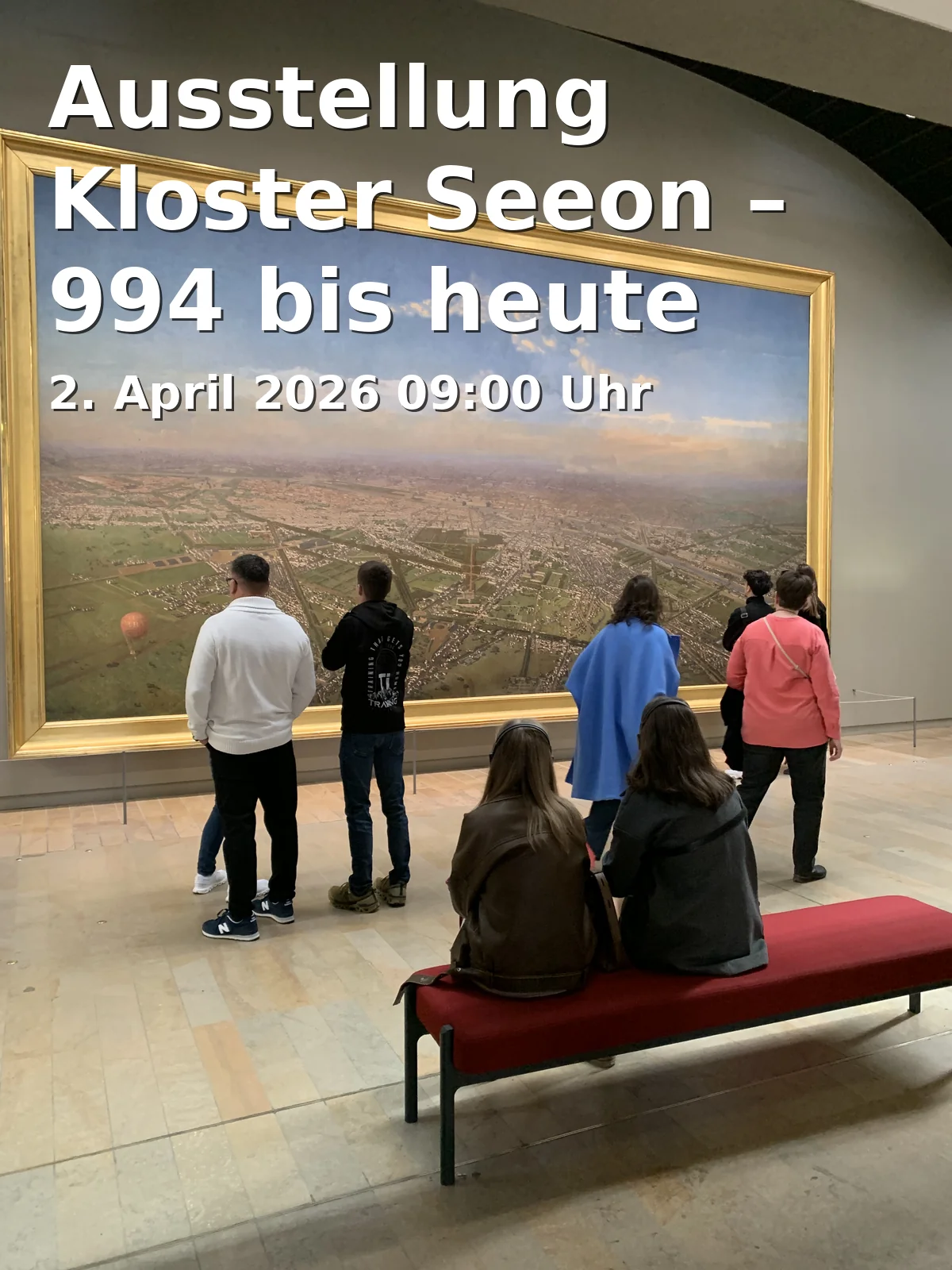
Exhibition Monastery Seeon – 994 to present
A quiet journey through 1000 years of monastery history: Monastery Seeon showcases art, writing culture, and spatial effect in the former Benedictine monastery. #Chiemgau #Culture
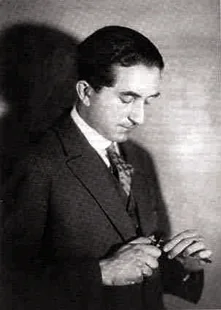
It's All About the Children. Walter Trier, the Illustrator of Erich Kästner's Children's Books
Colors, characters, and imagination in Kloster Seeon: The exhibition about Walter Trier excites families from 23.05.2026, daily, free admission. #FamilyOuting
Joy of Life Retreat Ready for the Island at Kloster Seeon
Into the calm, out of everyday life: The retreat at Kloster Seeon combines movement, breath, and mindfulness into new joy of life. #Chiemgau #Retreat
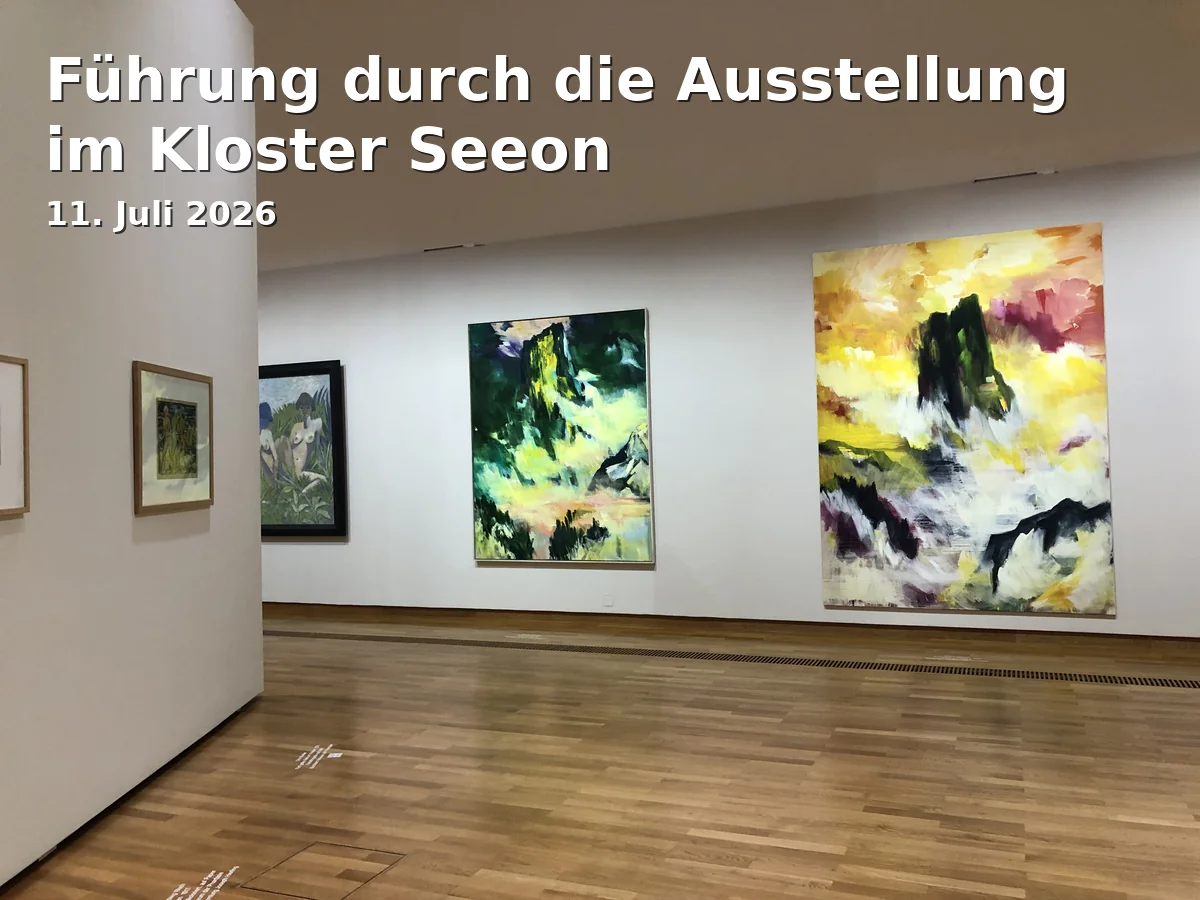
Guided Tour of the Exhibition at Kloster Seeon
Immerse yourself in the history of Kloster Seeon with a free guided tour. Discover the heritage since 994.
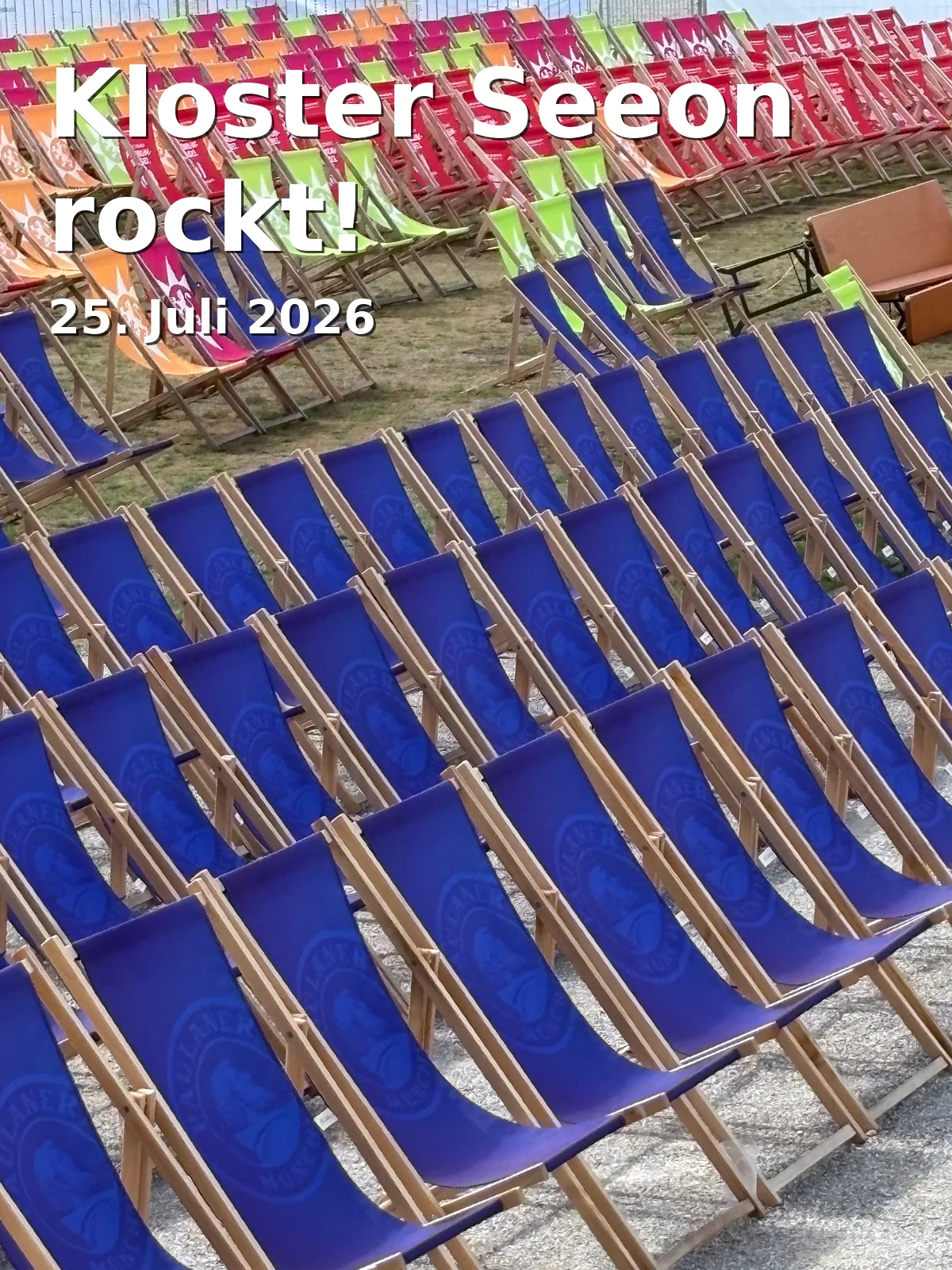
Kloster Seeon rocks!
An open-air festival with pop, rock, and Bavarian indie. Enjoy music and nature at Kloster Seeon.
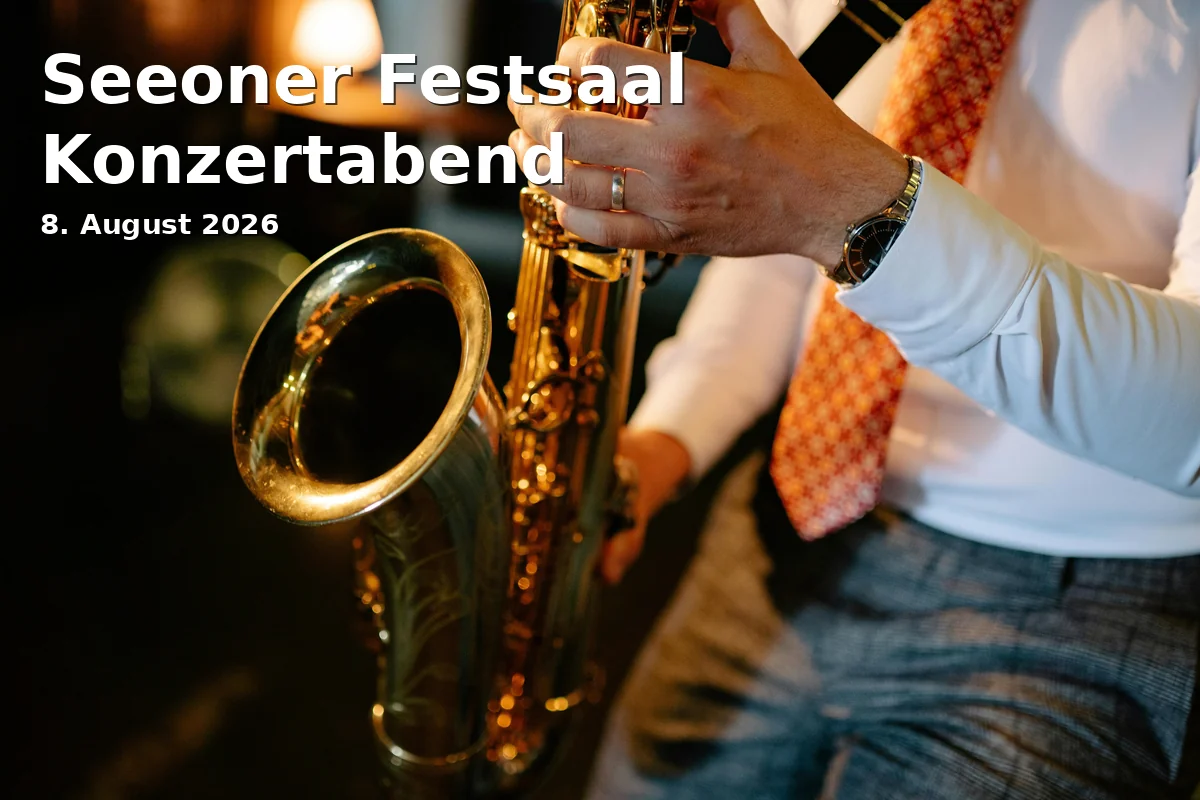
Seeoner Festsaal Concert Evening
Experience arias, duets, and ensembles performed by talented students of the Bavarian Theatre Academy in the Seeon Festsaal.
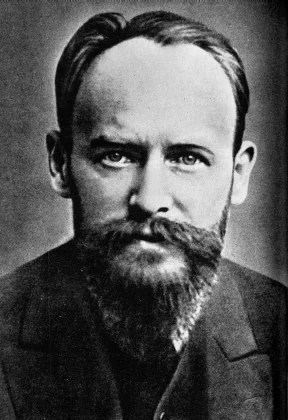
Reading at Kloster Seeon: Christian Morgenstern
On August 9, 2026, at Kloster Seeon: A literary evening with a reading and lecture on Christian Morgenstern.
Chamber Concert: Works by Jewish Female Composers
Chamber concert at Kloster Seeon: Experience moving music by Jewish female composers. Free admission on August 14, 2026.
Frequently Asked Questions
Reviews
No reviews found