

Aschau im Chiemgau
83229 Aschau im Chiemgau-Höhenberg, Deutschland
Höhenberg Aschau | Roman Region & Chapel
Höhenberg is a quiet district of Aschau in Chiemgau that at first glance appears to be a small rural area on the slope, but actually bundles surprisingly many cultural and scenic reference points. Between the Bronze Age station of the Roman Region Chiemsee, the late Gothic chapel of Hl. Kreuz, the private collection museum of the Aringer family, the moor swimming pool, and Café Pauli, a destination emerges that connects history, nature, and refreshment in very short distances. Those who associate Aschau only with Hohenaschau Castle, Kampenwand, and the valley town discover a quieter, very authentic side of the region in Höhenberg. This is exciting for visitors because here one does not seek a single highlight, but can combine several small experiences in one place: culture, hiking, swimming, views, and a classic Chiemgau refreshment. This mix makes Höhenberg a worthwhile destination for day visitors, families, and anyone who wants to get to know the Priental at a slower pace. ([aschau.de](https://www.aschau.de/roemerregion))
Bronze Age, Roman Region, and Collection Museum in Höhenberg
The strongest historical anchor in Höhenberg is the Roman Region Chiemsee, as it is here that visitors can experience the Bronze Age in a particularly vivid way. The municipality of Aschau describes the district as a place where over 3000 years ago an important hub in the European trade of artistic bronze goods was located. The Priental is explicitly described as the valley of the bronze casters, which can be evidenced by numerous finds, such as bronze casting cakes and urn graves. This is particularly interesting for guests because the place not only shows landscape but also makes a very old cultural landscape visible, in which traces of trade, craftsmanship, and settlement continue to resonate to this day. Therefore, anyone wanting to understand the history of the region will find in Höhenberg not a museum-like single room, but a concrete place in the landscape where past and present lie closely together. ([aschau.de](https://www.aschau.de/roemerregion))
Especially impressive is the private collection museum in the Geigerhof of the Aringer family, Höhenberg 15, north of the church. The municipality and the Roman Region point out that many objects from the Bronze Age, Celtic, and Roman times, as well as from the Middle Ages and modern times, are displayed there. The collection is not just locally curious but is described as being of supra-regional significance because it makes the archaeological find history in the Priental comprehensible. Important for planning: The museum is only accessible with a guided tour, and the municipality states that regular tours take place on Thursday evenings starting at 6:00 PM. Therefore, anyone traveling for a fixed appointment should plan the tour in advance; those who are spontaneously on the go should pay attention to the weekly rhythm. Especially in combination with the Bronze Age station in the district, a very rounded historical visit emerges that does not rely on spectacular staging but on genuine find contexts and the work of local researchers and collectors. ([aschau.de](https://www.aschau.de/roemerregion))
The fact that Höhenberg often appears only as a small side town in tourist perception is mainly due to the fact that its historical significance is not loudly marketed but is embedded in scenic tranquility. However, therein lies its charm. The visitor sees not only exhibition objects but experiences a region where archaeological finds, information boards, hiking trails, and local family stories are interconnected. The Roman Region Chiemsee has consciously included Höhenberg as a station because the place makes the Bronze Age tangible in the Priental while simultaneously opening the view to later epochs. This is important for SEO and for real visitor guidance: Those searching for Höhenberg are not only looking for a place name but often a piece of cultural history, a museum, a church, or a quiet scenic starting point. Exactly these search intentions come together here. ([aschau.de](https://www.aschau.de/roemerregion))
Chapel of Hl. Kreuz and the Developed Local Image
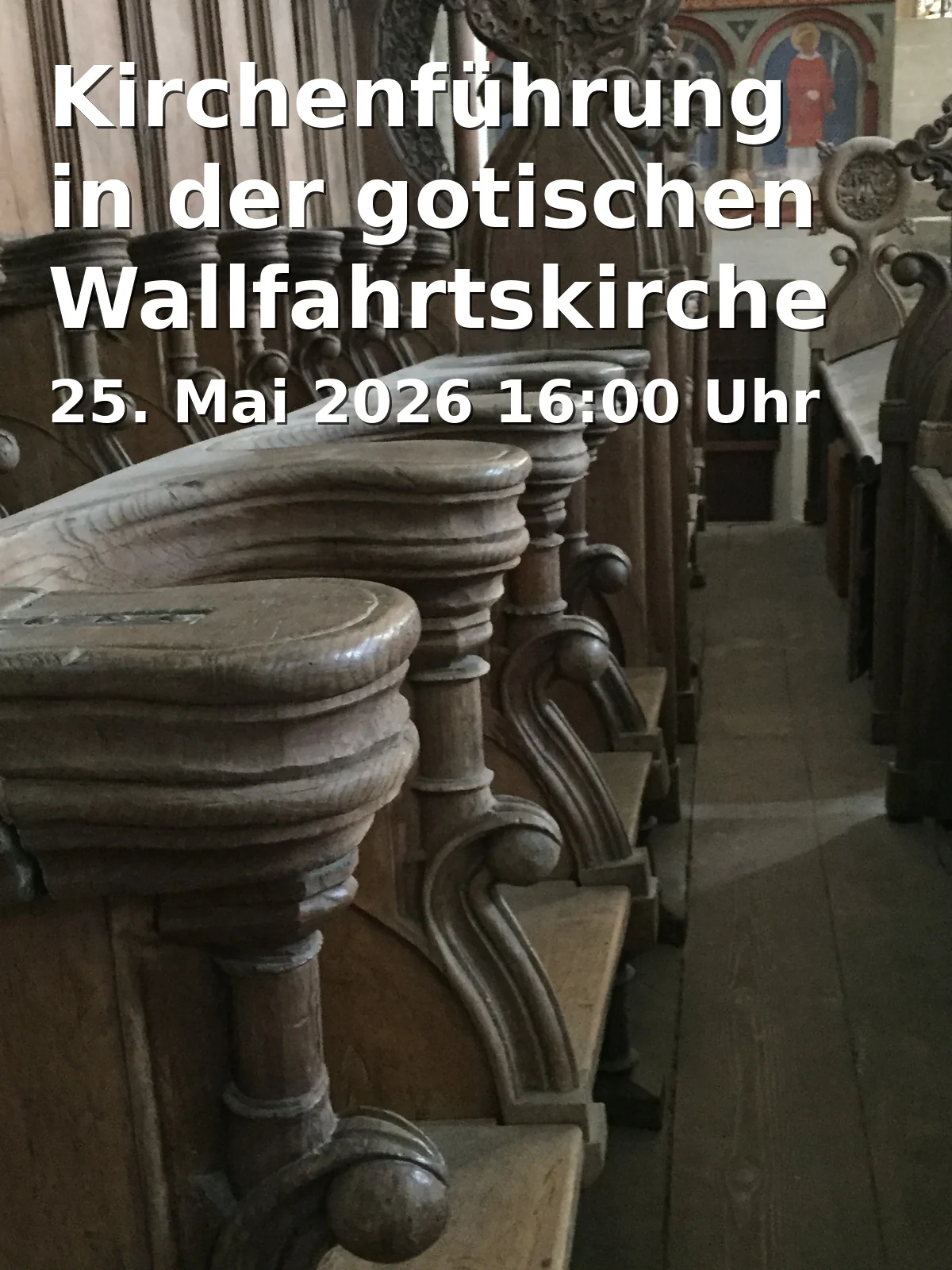
A second defining element of Höhenberg is the chapel of Hl. Kreuz on Höhenbergstraße or at the location Höhenberg 19. The Chiemsee-Alpenland side describes it as a late Gothic church building, probably dating from 1475 and built in the late 15th century. Characteristic are the slightly recessed, three-sided closed choir and the shingle-covered onion dome in the west. The vault and windows date back to 1690; later, the building was baroque in 1730 and extensively renovated between 1951 and 1954 and again in 1982/83. Thus, the church is a beautiful example of how religious architectural history continues to be written over centuries in a small place. This is particularly appealing to visitors because here Gothic substance, baroque transformation, and rural use lie very close together. ([chiemsee-alpenland.de](https://www.chiemsee-alpenland.de/entdecken/alle-sehenswuerdigkeiten/filialkirche-hl.-kreuz-in-hoehenberg-fc5be2b9c9))
The place itself appears very closed and quiet due to several stately farmhouses and its location on the slope. On the König-Ludwig-III. hiking trail, Höhenberg is therefore described not only as a transit station but as a small historical space where church, farms, museum, and panorama belong together. Particularly noteworthy is also the construction history of the church in the 19th and 20th centuries: It was designated for demolition during the secularization in 1806 but could be preserved by the Höhenberg farmers with the support of the lord of Hohenaschau Castle. This is a detail that says a lot about the residents' connection to their local image. Today, anyone walking through Höhenberg sees not only a house of worship but a collectively preserved piece of local identity. This is especially worthwhile for guests interested in architectural culture, folk piety, and agricultural tradition. ([aschau.de](https://www.aschau.de/koenig-ludwig-wanderweg))
It is practical to know that the church is usually locked. The view inside is usually only possible through a small window at the entrance door, which further enhances the impression of a quiet, less crowded place. In summer, according to tourist sources, art historical tours take place regularly, making a visit particularly rewarding then. Those looking for a quiet alternative to the more well-known destinations in Aschau will find a strong reason for a stop here: The church is small but culturally significant, and it stands for a place where the religious, the rural, and the historical memory closely converge. Together with the museum and the old farms, a picture of Höhenberg emerges that goes far beyond a simple hamlet. ([aschau.de](https://www.aschau.de/koenig-ludwig-wanderweg))
Moor Swimming Pool, Kneipp Facility, and Café Pauli
Those looking for a swim in Höhenberg will effectively end up at the Moor swimming pool Aschau. The facility is located at Höhenberg 1, is fed with moor water from the nature reserve Bärnsee, and is quietly and idyllically situated below Café Pauli. The water is darkly colored, there are two shallower areas for non-swimmers, and at the entrance, there is a Kneipp facility with a water wheel and arm immersion basin. The official facilities include changing rooms, toilets, barrier-free access, lifeguard or swimming supervision, parking spaces, and rental of loungers and sun umbrellas. Additionally, there is a children's playground with a swing and sandbox. For families, day visitors, and guests seeking relaxation, this is a very complete offer that does not rely on luxury but on nature, tranquility, and well-organized simplicity. The moor bath thus connects nature experience and practical infrastructure in a very pleasant way. ([chiemsee-alpenland.de](https://www.chiemsee-alpenland.de/entdecken/alle-sehenswuerdigkeiten/moor-freischwimmbad-aschau-cc50c9e0dd))
The opening hours are clearly seasonal: In good weather, the Moor swimming pool is open daily from 10 AM to 7 PM, with the winter break approximately between mid-September and mid-May. This is very helpful for planning a summer walk, as one can easily combine a visit to Höhenberg with swimming, Kneipp treatments, and a short break by the water. Those who prefer to sit in nature will find enough space in the shore area and on the sunbathing lawn. The kiosk offers snacks, drinks, and ice cream, allowing one to extend their stay without much effort. This is also a typical detail of the region: no overloaded bathing landscape, but a nature-friendly, family-friendly moor bath with regional character. ([chiemsee-alpenland.de](https://www.chiemsee-alpenland.de/entdecken/alle-sehenswuerdigkeiten/moor-freischwimmbad-aschau-cc50c9e0dd))
Just a few steps above is Café Pauli, which is described in tourist sources as being in a quiet location on the southern slope of Höhenberg. The house is about a twenty-minute walk from the town center and train station and offers an unobstructed view of Aschau in Chiemgau, Hohenaschau Castle, and the Chiemgau mountains. The offer is complemented by a sunny beer garden, partly under old chestnut trees, as well as homemade cakes, strudels, snacks, coffee, and ice specialties. Families will also find a small petting zoo and playground here. It is precisely in this combination of views, gastronomy, and child-friendly surroundings that the special strength of the location lies. Höhenberg thus becomes not only a place of history but also a place for a relaxed afternoon with landscape views and refreshment. ([cafe-pauli.de](https://cafe-pauli.de/))
Access, Parking, and Connection to Aschau
Getting to Höhenberg is relatively uncomplicated, as the district connects to the easily accessible Aschau in Chiemgau. By car, the official route leads via the A8 Munich-Salzburg to the exit Frasdorf or Bernau am Chiemsee; from there, it is about 5 kilometers to Aschau in Chiemgau. Those wishing to continue to Höhenberg should orient themselves in Aschau towards Höhenberg and the Moor swimming pool. For visitors heading to the Moor swimming pool, it is important to note that parking spaces are available. This is particularly pleasant when on an outing with children or swimming gear, as one does not have to search long for the place. Overall, Höhenberg is therefore more of a destination for a conscious stopover or a half to full day trip rather than for a complicated journey with multiple transfers. ([aschau.de](https://www.aschau.de/de/anreise))
Aschau is also well connected by public transport. The official travel information mentions the route Munich-Salzburg to Prien am Chiemsee and from there further with the Chiemgau-Bahn to Aschau in Chiemgau. Additionally, a bus line operates between Aschau and Sachrang, and the regional bus 482 connects Aschau in Chiemgau with Bernau am Chiemsee. The municipality also points out that Aschau is a train station and that appropriate assistance for wheelchair users is available at the train stations. This is particularly valuable for travelers without a car, as one can combine the journey with a walk, a museum visit, or a day at the pool. Thus, Höhenberg is not a remote insider tip without infrastructure, but a quiet district connected to the tourist main axes of Aschau. ([aschau.de](https://www.aschau.de/de/anreise))
Those planning the journey should also remember that the district is not broadly organized as a classic town center but consists of individual notable points: church, museum, moor bath, café, and farms. This means in practice that it is best to choose a clear destination and not just drive to Höhenberg in general. Particularly sensible is the combination of parking at the Moor swimming pool and then walking to the church, café, or collection museum. This way, the area can be experienced without haste. For visitors from afar, the airports in Munich and Salzburg are also mentioned as orientation, which is especially interesting for longer stays or connections with the rest of Chiemgau. ([aschau.de](https://www.aschau.de/de/anreise))
Hiking, Panorama, and Excursion Destinations Around Höhenberg
Höhenberg is not only a place to look at but also a good point to start walking. On the König-Ludwig-III. hiking trail, the place is explicitly described as a section between Aschau and Hintergschwendt. After passing under the highway, the path turns right towards Höhenberg; after about 1.5 kilometers on a well-developed gravel road, one reaches the place with its farmhouses and the chapel. The route then continues past the small wayside cross, Café Pauli, and finally over the Moor bath, Bärnsee, and Bucha towards further stations. The official route description beautifully shows that Höhenberg should not be thought of in isolation but as part of a landscape band that elegantly connects culture and nature. Those who hike here experience not only distance but also repeatedly small cultural concentrations. ([aschau.de](https://www.aschau.de/koenig-ludwig-wanderweg))
Particularly attractive is the view from the southern slope into the upper Priental. Café Pauli is described in the sources with an unobstructed view of Aschau, Hohenaschau Castle, and the Chiemgau mountains, and this view is also a reason why Höhenberg feels so pleasant to many visitors. One is close enough to the place to have infrastructure and paths but far enough up to enjoy tranquility and panorama. In the surrounding area, Kampenwand, Hohenaschau Castle, and the Kurpark of Aschau also entice, making a visit to Höhenberg easily fit into a larger day plan. Those who like to be active can thus combine the place with hiking, swimming, or a castle tour. Those who prefer a quieter experience can simply stay with the church, museum, and refreshment. This mix makes the place exceptionally flexible. ([cafe-pauli.de](https://cafe-pauli.de/))
The surroundings also have a lot to offer in terms of landscape: The Moor bath area is located at the foot of the Höhenberg, through the nearby Bärnsee and Bucha Filze, a moor and wetland area with its own atmosphere opens up, and the view extends towards the Aschauer valley and the surrounding mountain world. This provides a clear advantage for visitors who enjoy short, varied walks. Instead of long journeys and hard-to-plan programs, one can connect several small stations in close proximity in Höhenberg. That is why the place is suitable for both hikers and families as well as culture enthusiasts. Those who want to experience the Bronze Age, church, moor bath, and panorama in one day will find an unusually compact but very harmonious route here. ([aschau.de](https://www.aschau.de/koenig-ludwig-wanderweg))
Practical Tips for Visiting Höhenberg
Höhenberg can best be described as a slow-travel destination: small, quiet, and yet rich in content. For half a day, the combination of the chapel, collection museum, and Café Pauli is recommended. For a full day, one can add the Moor swimming pool, a hike on the König-Ludwig-III. hiking trail, and a refreshment stop. Those who want to experience the archaeological side of the place should keep Thursday evening in mind for the collection museum, as the guided tour usually begins at 6:00 PM. Those planning to swim or use the Kneipp facility should pay attention to the seasonal opening hours of the Moor swimming pool, as the facility is weather-dependent and closed in autumn or winter. Thus, a small district becomes a very planable excursion destination that can be interpreted differently depending on interest. ([aschau.de](https://www.aschau.de/roemerregion))
The place is also well suited for families because the stations do not exclude each other. Children can play at the Moor bath, experience animals and playgrounds at Café Pauli, and adults can simultaneously visit the church or museum. Culture enthusiasts receive a rarely dense sequence of Bronze Age, late Gothic, and rural village structure without the need for long distances. This is precisely the quiet strength of Höhenberg: It is not a loud, over-staged place but a grown piece of Aschau in Chiemgau with real regional character. Those who come here are usually not looking for a big event but a harmonious place where landscape, history, and everyday life fit together. And this promise is very convincingly fulfilled by Höhenberg. ([aschau.de](https://www.aschau.de/roemerregion))
Sources:
- Aschau.de - Roman Region Chiemsee ([aschau.de](https://www.aschau.de/roemerregion))
- Chiemsee-Alpenland Tourism - Chapel of Hl. Kreuz in Höhenberg ([chiemsee-alpenland.de](https://www.chiemsee-alpenland.de/entdecken/alle-sehenswuerdigkeiten/filialkirche-hl.-kreuz-in-hoehenberg-fc5be2b9c9))
- Chiemsee-Alpenland Tourism - Moor Swimming Pool Aschau ([chiemsee-alpenland.de](https://www.chiemsee-alpenland.de/entdecken/alle-sehenswuerdigkeiten/moor-freischwimmbad-aschau-cc50c9e0dd))
- Cafe Pauli - Official Website ([cafe-pauli.de](https://cafe-pauli.de/))
- Aschau.de - König-Ludwig III. Hiking Trail ([aschau.de](https://www.aschau.de/koenig-ludwig-wanderweg))
- Aschau.de - Travel to the Bankerldorf Aschau in Chiemgau ([aschau.de](https://www.aschau.de/de/anreise))
Show moreShow less
Höhenberg Aschau | Roman Region & Chapel
Höhenberg is a quiet district of Aschau in Chiemgau that at first glance appears to be a small rural area on the slope, but actually bundles surprisingly many cultural and scenic reference points. Between the Bronze Age station of the Roman Region Chiemsee, the late Gothic chapel of Hl. Kreuz, the private collection museum of the Aringer family, the moor swimming pool, and Café Pauli, a destination emerges that connects history, nature, and refreshment in very short distances. Those who associate Aschau only with Hohenaschau Castle, Kampenwand, and the valley town discover a quieter, very authentic side of the region in Höhenberg. This is exciting for visitors because here one does not seek a single highlight, but can combine several small experiences in one place: culture, hiking, swimming, views, and a classic Chiemgau refreshment. This mix makes Höhenberg a worthwhile destination for day visitors, families, and anyone who wants to get to know the Priental at a slower pace. ([aschau.de](https://www.aschau.de/roemerregion))
Bronze Age, Roman Region, and Collection Museum in Höhenberg
The strongest historical anchor in Höhenberg is the Roman Region Chiemsee, as it is here that visitors can experience the Bronze Age in a particularly vivid way. The municipality of Aschau describes the district as a place where over 3000 years ago an important hub in the European trade of artistic bronze goods was located. The Priental is explicitly described as the valley of the bronze casters, which can be evidenced by numerous finds, such as bronze casting cakes and urn graves. This is particularly interesting for guests because the place not only shows landscape but also makes a very old cultural landscape visible, in which traces of trade, craftsmanship, and settlement continue to resonate to this day. Therefore, anyone wanting to understand the history of the region will find in Höhenberg not a museum-like single room, but a concrete place in the landscape where past and present lie closely together. ([aschau.de](https://www.aschau.de/roemerregion))
Especially impressive is the private collection museum in the Geigerhof of the Aringer family, Höhenberg 15, north of the church. The municipality and the Roman Region point out that many objects from the Bronze Age, Celtic, and Roman times, as well as from the Middle Ages and modern times, are displayed there. The collection is not just locally curious but is described as being of supra-regional significance because it makes the archaeological find history in the Priental comprehensible. Important for planning: The museum is only accessible with a guided tour, and the municipality states that regular tours take place on Thursday evenings starting at 6:00 PM. Therefore, anyone traveling for a fixed appointment should plan the tour in advance; those who are spontaneously on the go should pay attention to the weekly rhythm. Especially in combination with the Bronze Age station in the district, a very rounded historical visit emerges that does not rely on spectacular staging but on genuine find contexts and the work of local researchers and collectors. ([aschau.de](https://www.aschau.de/roemerregion))
The fact that Höhenberg often appears only as a small side town in tourist perception is mainly due to the fact that its historical significance is not loudly marketed but is embedded in scenic tranquility. However, therein lies its charm. The visitor sees not only exhibition objects but experiences a region where archaeological finds, information boards, hiking trails, and local family stories are interconnected. The Roman Region Chiemsee has consciously included Höhenberg as a station because the place makes the Bronze Age tangible in the Priental while simultaneously opening the view to later epochs. This is important for SEO and for real visitor guidance: Those searching for Höhenberg are not only looking for a place name but often a piece of cultural history, a museum, a church, or a quiet scenic starting point. Exactly these search intentions come together here. ([aschau.de](https://www.aschau.de/roemerregion))
Chapel of Hl. Kreuz and the Developed Local Image
A second defining element of Höhenberg is the chapel of Hl. Kreuz on Höhenbergstraße or at the location Höhenberg 19. The Chiemsee-Alpenland side describes it as a late Gothic church building, probably dating from 1475 and built in the late 15th century. Characteristic are the slightly recessed, three-sided closed choir and the shingle-covered onion dome in the west. The vault and windows date back to 1690; later, the building was baroque in 1730 and extensively renovated between 1951 and 1954 and again in 1982/83. Thus, the church is a beautiful example of how religious architectural history continues to be written over centuries in a small place. This is particularly appealing to visitors because here Gothic substance, baroque transformation, and rural use lie very close together. ([chiemsee-alpenland.de](https://www.chiemsee-alpenland.de/entdecken/alle-sehenswuerdigkeiten/filialkirche-hl.-kreuz-in-hoehenberg-fc5be2b9c9))
The place itself appears very closed and quiet due to several stately farmhouses and its location on the slope. On the König-Ludwig-III. hiking trail, Höhenberg is therefore described not only as a transit station but as a small historical space where church, farms, museum, and panorama belong together. Particularly noteworthy is also the construction history of the church in the 19th and 20th centuries: It was designated for demolition during the secularization in 1806 but could be preserved by the Höhenberg farmers with the support of the lord of Hohenaschau Castle. This is a detail that says a lot about the residents' connection to their local image. Today, anyone walking through Höhenberg sees not only a house of worship but a collectively preserved piece of local identity. This is especially worthwhile for guests interested in architectural culture, folk piety, and agricultural tradition. ([aschau.de](https://www.aschau.de/koenig-ludwig-wanderweg))
It is practical to know that the church is usually locked. The view inside is usually only possible through a small window at the entrance door, which further enhances the impression of a quiet, less crowded place. In summer, according to tourist sources, art historical tours take place regularly, making a visit particularly rewarding then. Those looking for a quiet alternative to the more well-known destinations in Aschau will find a strong reason for a stop here: The church is small but culturally significant, and it stands for a place where the religious, the rural, and the historical memory closely converge. Together with the museum and the old farms, a picture of Höhenberg emerges that goes far beyond a simple hamlet. ([aschau.de](https://www.aschau.de/koenig-ludwig-wanderweg))
Moor Swimming Pool, Kneipp Facility, and Café Pauli
Those looking for a swim in Höhenberg will effectively end up at the Moor swimming pool Aschau. The facility is located at Höhenberg 1, is fed with moor water from the nature reserve Bärnsee, and is quietly and idyllically situated below Café Pauli. The water is darkly colored, there are two shallower areas for non-swimmers, and at the entrance, there is a Kneipp facility with a water wheel and arm immersion basin. The official facilities include changing rooms, toilets, barrier-free access, lifeguard or swimming supervision, parking spaces, and rental of loungers and sun umbrellas. Additionally, there is a children's playground with a swing and sandbox. For families, day visitors, and guests seeking relaxation, this is a very complete offer that does not rely on luxury but on nature, tranquility, and well-organized simplicity. The moor bath thus connects nature experience and practical infrastructure in a very pleasant way. ([chiemsee-alpenland.de](https://www.chiemsee-alpenland.de/entdecken/alle-sehenswuerdigkeiten/moor-freischwimmbad-aschau-cc50c9e0dd))
The opening hours are clearly seasonal: In good weather, the Moor swimming pool is open daily from 10 AM to 7 PM, with the winter break approximately between mid-September and mid-May. This is very helpful for planning a summer walk, as one can easily combine a visit to Höhenberg with swimming, Kneipp treatments, and a short break by the water. Those who prefer to sit in nature will find enough space in the shore area and on the sunbathing lawn. The kiosk offers snacks, drinks, and ice cream, allowing one to extend their stay without much effort. This is also a typical detail of the region: no overloaded bathing landscape, but a nature-friendly, family-friendly moor bath with regional character. ([chiemsee-alpenland.de](https://www.chiemsee-alpenland.de/entdecken/alle-sehenswuerdigkeiten/moor-freischwimmbad-aschau-cc50c9e0dd))
Just a few steps above is Café Pauli, which is described in tourist sources as being in a quiet location on the southern slope of Höhenberg. The house is about a twenty-minute walk from the town center and train station and offers an unobstructed view of Aschau in Chiemgau, Hohenaschau Castle, and the Chiemgau mountains. The offer is complemented by a sunny beer garden, partly under old chestnut trees, as well as homemade cakes, strudels, snacks, coffee, and ice specialties. Families will also find a small petting zoo and playground here. It is precisely in this combination of views, gastronomy, and child-friendly surroundings that the special strength of the location lies. Höhenberg thus becomes not only a place of history but also a place for a relaxed afternoon with landscape views and refreshment. ([cafe-pauli.de](https://cafe-pauli.de/))
Access, Parking, and Connection to Aschau
Getting to Höhenberg is relatively uncomplicated, as the district connects to the easily accessible Aschau in Chiemgau. By car, the official route leads via the A8 Munich-Salzburg to the exit Frasdorf or Bernau am Chiemsee; from there, it is about 5 kilometers to Aschau in Chiemgau. Those wishing to continue to Höhenberg should orient themselves in Aschau towards Höhenberg and the Moor swimming pool. For visitors heading to the Moor swimming pool, it is important to note that parking spaces are available. This is particularly pleasant when on an outing with children or swimming gear, as one does not have to search long for the place. Overall, Höhenberg is therefore more of a destination for a conscious stopover or a half to full day trip rather than for a complicated journey with multiple transfers. ([aschau.de](https://www.aschau.de/de/anreise))
Aschau is also well connected by public transport. The official travel information mentions the route Munich-Salzburg to Prien am Chiemsee and from there further with the Chiemgau-Bahn to Aschau in Chiemgau. Additionally, a bus line operates between Aschau and Sachrang, and the regional bus 482 connects Aschau in Chiemgau with Bernau am Chiemsee. The municipality also points out that Aschau is a train station and that appropriate assistance for wheelchair users is available at the train stations. This is particularly valuable for travelers without a car, as one can combine the journey with a walk, a museum visit, or a day at the pool. Thus, Höhenberg is not a remote insider tip without infrastructure, but a quiet district connected to the tourist main axes of Aschau. ([aschau.de](https://www.aschau.de/de/anreise))
Those planning the journey should also remember that the district is not broadly organized as a classic town center but consists of individual notable points: church, museum, moor bath, café, and farms. This means in practice that it is best to choose a clear destination and not just drive to Höhenberg in general. Particularly sensible is the combination of parking at the Moor swimming pool and then walking to the church, café, or collection museum. This way, the area can be experienced without haste. For visitors from afar, the airports in Munich and Salzburg are also mentioned as orientation, which is especially interesting for longer stays or connections with the rest of Chiemgau. ([aschau.de](https://www.aschau.de/de/anreise))
Hiking, Panorama, and Excursion Destinations Around Höhenberg
Höhenberg is not only a place to look at but also a good point to start walking. On the König-Ludwig-III. hiking trail, the place is explicitly described as a section between Aschau and Hintergschwendt. After passing under the highway, the path turns right towards Höhenberg; after about 1.5 kilometers on a well-developed gravel road, one reaches the place with its farmhouses and the chapel. The route then continues past the small wayside cross, Café Pauli, and finally over the Moor bath, Bärnsee, and Bucha towards further stations. The official route description beautifully shows that Höhenberg should not be thought of in isolation but as part of a landscape band that elegantly connects culture and nature. Those who hike here experience not only distance but also repeatedly small cultural concentrations. ([aschau.de](https://www.aschau.de/koenig-ludwig-wanderweg))
Particularly attractive is the view from the southern slope into the upper Priental. Café Pauli is described in the sources with an unobstructed view of Aschau, Hohenaschau Castle, and the Chiemgau mountains, and this view is also a reason why Höhenberg feels so pleasant to many visitors. One is close enough to the place to have infrastructure and paths but far enough up to enjoy tranquility and panorama. In the surrounding area, Kampenwand, Hohenaschau Castle, and the Kurpark of Aschau also entice, making a visit to Höhenberg easily fit into a larger day plan. Those who like to be active can thus combine the place with hiking, swimming, or a castle tour. Those who prefer a quieter experience can simply stay with the church, museum, and refreshment. This mix makes the place exceptionally flexible. ([cafe-pauli.de](https://cafe-pauli.de/))
The surroundings also have a lot to offer in terms of landscape: The Moor bath area is located at the foot of the Höhenberg, through the nearby Bärnsee and Bucha Filze, a moor and wetland area with its own atmosphere opens up, and the view extends towards the Aschauer valley and the surrounding mountain world. This provides a clear advantage for visitors who enjoy short, varied walks. Instead of long journeys and hard-to-plan programs, one can connect several small stations in close proximity in Höhenberg. That is why the place is suitable for both hikers and families as well as culture enthusiasts. Those who want to experience the Bronze Age, church, moor bath, and panorama in one day will find an unusually compact but very harmonious route here. ([aschau.de](https://www.aschau.de/koenig-ludwig-wanderweg))
Practical Tips for Visiting Höhenberg
Höhenberg can best be described as a slow-travel destination: small, quiet, and yet rich in content. For half a day, the combination of the chapel, collection museum, and Café Pauli is recommended. For a full day, one can add the Moor swimming pool, a hike on the König-Ludwig-III. hiking trail, and a refreshment stop. Those who want to experience the archaeological side of the place should keep Thursday evening in mind for the collection museum, as the guided tour usually begins at 6:00 PM. Those planning to swim or use the Kneipp facility should pay attention to the seasonal opening hours of the Moor swimming pool, as the facility is weather-dependent and closed in autumn or winter. Thus, a small district becomes a very planable excursion destination that can be interpreted differently depending on interest. ([aschau.de](https://www.aschau.de/roemerregion))
The place is also well suited for families because the stations do not exclude each other. Children can play at the Moor bath, experience animals and playgrounds at Café Pauli, and adults can simultaneously visit the church or museum. Culture enthusiasts receive a rarely dense sequence of Bronze Age, late Gothic, and rural village structure without the need for long distances. This is precisely the quiet strength of Höhenberg: It is not a loud, over-staged place but a grown piece of Aschau in Chiemgau with real regional character. Those who come here are usually not looking for a big event but a harmonious place where landscape, history, and everyday life fit together. And this promise is very convincingly fulfilled by Höhenberg. ([aschau.de](https://www.aschau.de/roemerregion))
Sources:
- Aschau.de - Roman Region Chiemsee ([aschau.de](https://www.aschau.de/roemerregion))
- Chiemsee-Alpenland Tourism - Chapel of Hl. Kreuz in Höhenberg ([chiemsee-alpenland.de](https://www.chiemsee-alpenland.de/entdecken/alle-sehenswuerdigkeiten/filialkirche-hl.-kreuz-in-hoehenberg-fc5be2b9c9))
- Chiemsee-Alpenland Tourism - Moor Swimming Pool Aschau ([chiemsee-alpenland.de](https://www.chiemsee-alpenland.de/entdecken/alle-sehenswuerdigkeiten/moor-freischwimmbad-aschau-cc50c9e0dd))
- Cafe Pauli - Official Website ([cafe-pauli.de](https://cafe-pauli.de/))
- Aschau.de - König-Ludwig III. Hiking Trail ([aschau.de](https://www.aschau.de/koenig-ludwig-wanderweg))
- Aschau.de - Travel to the Bankerldorf Aschau in Chiemgau ([aschau.de](https://www.aschau.de/de/anreise))
Höhenberg Aschau | Roman Region & Chapel
Höhenberg is a quiet district of Aschau in Chiemgau that at first glance appears to be a small rural area on the slope, but actually bundles surprisingly many cultural and scenic reference points. Between the Bronze Age station of the Roman Region Chiemsee, the late Gothic chapel of Hl. Kreuz, the private collection museum of the Aringer family, the moor swimming pool, and Café Pauli, a destination emerges that connects history, nature, and refreshment in very short distances. Those who associate Aschau only with Hohenaschau Castle, Kampenwand, and the valley town discover a quieter, very authentic side of the region in Höhenberg. This is exciting for visitors because here one does not seek a single highlight, but can combine several small experiences in one place: culture, hiking, swimming, views, and a classic Chiemgau refreshment. This mix makes Höhenberg a worthwhile destination for day visitors, families, and anyone who wants to get to know the Priental at a slower pace. ([aschau.de](https://www.aschau.de/roemerregion))
Bronze Age, Roman Region, and Collection Museum in Höhenberg
The strongest historical anchor in Höhenberg is the Roman Region Chiemsee, as it is here that visitors can experience the Bronze Age in a particularly vivid way. The municipality of Aschau describes the district as a place where over 3000 years ago an important hub in the European trade of artistic bronze goods was located. The Priental is explicitly described as the valley of the bronze casters, which can be evidenced by numerous finds, such as bronze casting cakes and urn graves. This is particularly interesting for guests because the place not only shows landscape but also makes a very old cultural landscape visible, in which traces of trade, craftsmanship, and settlement continue to resonate to this day. Therefore, anyone wanting to understand the history of the region will find in Höhenberg not a museum-like single room, but a concrete place in the landscape where past and present lie closely together. ([aschau.de](https://www.aschau.de/roemerregion))
Especially impressive is the private collection museum in the Geigerhof of the Aringer family, Höhenberg 15, north of the church. The municipality and the Roman Region point out that many objects from the Bronze Age, Celtic, and Roman times, as well as from the Middle Ages and modern times, are displayed there. The collection is not just locally curious but is described as being of supra-regional significance because it makes the archaeological find history in the Priental comprehensible. Important for planning: The museum is only accessible with a guided tour, and the municipality states that regular tours take place on Thursday evenings starting at 6:00 PM. Therefore, anyone traveling for a fixed appointment should plan the tour in advance; those who are spontaneously on the go should pay attention to the weekly rhythm. Especially in combination with the Bronze Age station in the district, a very rounded historical visit emerges that does not rely on spectacular staging but on genuine find contexts and the work of local researchers and collectors. ([aschau.de](https://www.aschau.de/roemerregion))
The fact that Höhenberg often appears only as a small side town in tourist perception is mainly due to the fact that its historical significance is not loudly marketed but is embedded in scenic tranquility. However, therein lies its charm. The visitor sees not only exhibition objects but experiences a region where archaeological finds, information boards, hiking trails, and local family stories are interconnected. The Roman Region Chiemsee has consciously included Höhenberg as a station because the place makes the Bronze Age tangible in the Priental while simultaneously opening the view to later epochs. This is important for SEO and for real visitor guidance: Those searching for Höhenberg are not only looking for a place name but often a piece of cultural history, a museum, a church, or a quiet scenic starting point. Exactly these search intentions come together here. ([aschau.de](https://www.aschau.de/roemerregion))
Chapel of Hl. Kreuz and the Developed Local Image
A second defining element of Höhenberg is the chapel of Hl. Kreuz on Höhenbergstraße or at the location Höhenberg 19. The Chiemsee-Alpenland side describes it as a late Gothic church building, probably dating from 1475 and built in the late 15th century. Characteristic are the slightly recessed, three-sided closed choir and the shingle-covered onion dome in the west. The vault and windows date back to 1690; later, the building was baroque in 1730 and extensively renovated between 1951 and 1954 and again in 1982/83. Thus, the church is a beautiful example of how religious architectural history continues to be written over centuries in a small place. This is particularly appealing to visitors because here Gothic substance, baroque transformation, and rural use lie very close together. ([chiemsee-alpenland.de](https://www.chiemsee-alpenland.de/entdecken/alle-sehenswuerdigkeiten/filialkirche-hl.-kreuz-in-hoehenberg-fc5be2b9c9))
The place itself appears very closed and quiet due to several stately farmhouses and its location on the slope. On the König-Ludwig-III. hiking trail, Höhenberg is therefore described not only as a transit station but as a small historical space where church, farms, museum, and panorama belong together. Particularly noteworthy is also the construction history of the church in the 19th and 20th centuries: It was designated for demolition during the secularization in 1806 but could be preserved by the Höhenberg farmers with the support of the lord of Hohenaschau Castle. This is a detail that says a lot about the residents' connection to their local image. Today, anyone walking through Höhenberg sees not only a house of worship but a collectively preserved piece of local identity. This is especially worthwhile for guests interested in architectural culture, folk piety, and agricultural tradition. ([aschau.de](https://www.aschau.de/koenig-ludwig-wanderweg))
It is practical to know that the church is usually locked. The view inside is usually only possible through a small window at the entrance door, which further enhances the impression of a quiet, less crowded place. In summer, according to tourist sources, art historical tours take place regularly, making a visit particularly rewarding then. Those looking for a quiet alternative to the more well-known destinations in Aschau will find a strong reason for a stop here: The church is small but culturally significant, and it stands for a place where the religious, the rural, and the historical memory closely converge. Together with the museum and the old farms, a picture of Höhenberg emerges that goes far beyond a simple hamlet. ([aschau.de](https://www.aschau.de/koenig-ludwig-wanderweg))
Moor Swimming Pool, Kneipp Facility, and Café Pauli
Those looking for a swim in Höhenberg will effectively end up at the Moor swimming pool Aschau. The facility is located at Höhenberg 1, is fed with moor water from the nature reserve Bärnsee, and is quietly and idyllically situated below Café Pauli. The water is darkly colored, there are two shallower areas for non-swimmers, and at the entrance, there is a Kneipp facility with a water wheel and arm immersion basin. The official facilities include changing rooms, toilets, barrier-free access, lifeguard or swimming supervision, parking spaces, and rental of loungers and sun umbrellas. Additionally, there is a children's playground with a swing and sandbox. For families, day visitors, and guests seeking relaxation, this is a very complete offer that does not rely on luxury but on nature, tranquility, and well-organized simplicity. The moor bath thus connects nature experience and practical infrastructure in a very pleasant way. ([chiemsee-alpenland.de](https://www.chiemsee-alpenland.de/entdecken/alle-sehenswuerdigkeiten/moor-freischwimmbad-aschau-cc50c9e0dd))
The opening hours are clearly seasonal: In good weather, the Moor swimming pool is open daily from 10 AM to 7 PM, with the winter break approximately between mid-September and mid-May. This is very helpful for planning a summer walk, as one can easily combine a visit to Höhenberg with swimming, Kneipp treatments, and a short break by the water. Those who prefer to sit in nature will find enough space in the shore area and on the sunbathing lawn. The kiosk offers snacks, drinks, and ice cream, allowing one to extend their stay without much effort. This is also a typical detail of the region: no overloaded bathing landscape, but a nature-friendly, family-friendly moor bath with regional character. ([chiemsee-alpenland.de](https://www.chiemsee-alpenland.de/entdecken/alle-sehenswuerdigkeiten/moor-freischwimmbad-aschau-cc50c9e0dd))
Just a few steps above is Café Pauli, which is described in tourist sources as being in a quiet location on the southern slope of Höhenberg. The house is about a twenty-minute walk from the town center and train station and offers an unobstructed view of Aschau in Chiemgau, Hohenaschau Castle, and the Chiemgau mountains. The offer is complemented by a sunny beer garden, partly under old chestnut trees, as well as homemade cakes, strudels, snacks, coffee, and ice specialties. Families will also find a small petting zoo and playground here. It is precisely in this combination of views, gastronomy, and child-friendly surroundings that the special strength of the location lies. Höhenberg thus becomes not only a place of history but also a place for a relaxed afternoon with landscape views and refreshment. ([cafe-pauli.de](https://cafe-pauli.de/))
Access, Parking, and Connection to Aschau
Getting to Höhenberg is relatively uncomplicated, as the district connects to the easily accessible Aschau in Chiemgau. By car, the official route leads via the A8 Munich-Salzburg to the exit Frasdorf or Bernau am Chiemsee; from there, it is about 5 kilometers to Aschau in Chiemgau. Those wishing to continue to Höhenberg should orient themselves in Aschau towards Höhenberg and the Moor swimming pool. For visitors heading to the Moor swimming pool, it is important to note that parking spaces are available. This is particularly pleasant when on an outing with children or swimming gear, as one does not have to search long for the place. Overall, Höhenberg is therefore more of a destination for a conscious stopover or a half to full day trip rather than for a complicated journey with multiple transfers. ([aschau.de](https://www.aschau.de/de/anreise))
Aschau is also well connected by public transport. The official travel information mentions the route Munich-Salzburg to Prien am Chiemsee and from there further with the Chiemgau-Bahn to Aschau in Chiemgau. Additionally, a bus line operates between Aschau and Sachrang, and the regional bus 482 connects Aschau in Chiemgau with Bernau am Chiemsee. The municipality also points out that Aschau is a train station and that appropriate assistance for wheelchair users is available at the train stations. This is particularly valuable for travelers without a car, as one can combine the journey with a walk, a museum visit, or a day at the pool. Thus, Höhenberg is not a remote insider tip without infrastructure, but a quiet district connected to the tourist main axes of Aschau. ([aschau.de](https://www.aschau.de/de/anreise))
Those planning the journey should also remember that the district is not broadly organized as a classic town center but consists of individual notable points: church, museum, moor bath, café, and farms. This means in practice that it is best to choose a clear destination and not just drive to Höhenberg in general. Particularly sensible is the combination of parking at the Moor swimming pool and then walking to the church, café, or collection museum. This way, the area can be experienced without haste. For visitors from afar, the airports in Munich and Salzburg are also mentioned as orientation, which is especially interesting for longer stays or connections with the rest of Chiemgau. ([aschau.de](https://www.aschau.de/de/anreise))
Hiking, Panorama, and Excursion Destinations Around Höhenberg
Höhenberg is not only a place to look at but also a good point to start walking. On the König-Ludwig-III. hiking trail, the place is explicitly described as a section between Aschau and Hintergschwendt. After passing under the highway, the path turns right towards Höhenberg; after about 1.5 kilometers on a well-developed gravel road, one reaches the place with its farmhouses and the chapel. The route then continues past the small wayside cross, Café Pauli, and finally over the Moor bath, Bärnsee, and Bucha towards further stations. The official route description beautifully shows that Höhenberg should not be thought of in isolation but as part of a landscape band that elegantly connects culture and nature. Those who hike here experience not only distance but also repeatedly small cultural concentrations. ([aschau.de](https://www.aschau.de/koenig-ludwig-wanderweg))
Particularly attractive is the view from the southern slope into the upper Priental. Café Pauli is described in the sources with an unobstructed view of Aschau, Hohenaschau Castle, and the Chiemgau mountains, and this view is also a reason why Höhenberg feels so pleasant to many visitors. One is close enough to the place to have infrastructure and paths but far enough up to enjoy tranquility and panorama. In the surrounding area, Kampenwand, Hohenaschau Castle, and the Kurpark of Aschau also entice, making a visit to Höhenberg easily fit into a larger day plan. Those who like to be active can thus combine the place with hiking, swimming, or a castle tour. Those who prefer a quieter experience can simply stay with the church, museum, and refreshment. This mix makes the place exceptionally flexible. ([cafe-pauli.de](https://cafe-pauli.de/))
The surroundings also have a lot to offer in terms of landscape: The Moor bath area is located at the foot of the Höhenberg, through the nearby Bärnsee and Bucha Filze, a moor and wetland area with its own atmosphere opens up, and the view extends towards the Aschauer valley and the surrounding mountain world. This provides a clear advantage for visitors who enjoy short, varied walks. Instead of long journeys and hard-to-plan programs, one can connect several small stations in close proximity in Höhenberg. That is why the place is suitable for both hikers and families as well as culture enthusiasts. Those who want to experience the Bronze Age, church, moor bath, and panorama in one day will find an unusually compact but very harmonious route here. ([aschau.de](https://www.aschau.de/koenig-ludwig-wanderweg))
Practical Tips for Visiting Höhenberg
Höhenberg can best be described as a slow-travel destination: small, quiet, and yet rich in content. For half a day, the combination of the chapel, collection museum, and Café Pauli is recommended. For a full day, one can add the Moor swimming pool, a hike on the König-Ludwig-III. hiking trail, and a refreshment stop. Those who want to experience the archaeological side of the place should keep Thursday evening in mind for the collection museum, as the guided tour usually begins at 6:00 PM. Those planning to swim or use the Kneipp facility should pay attention to the seasonal opening hours of the Moor swimming pool, as the facility is weather-dependent and closed in autumn or winter. Thus, a small district becomes a very planable excursion destination that can be interpreted differently depending on interest. ([aschau.de](https://www.aschau.de/roemerregion))
The place is also well suited for families because the stations do not exclude each other. Children can play at the Moor bath, experience animals and playgrounds at Café Pauli, and adults can simultaneously visit the church or museum. Culture enthusiasts receive a rarely dense sequence of Bronze Age, late Gothic, and rural village structure without the need for long distances. This is precisely the quiet strength of Höhenberg: It is not a loud, over-staged place but a grown piece of Aschau in Chiemgau with real regional character. Those who come here are usually not looking for a big event but a harmonious place where landscape, history, and everyday life fit together. And this promise is very convincingly fulfilled by Höhenberg. ([aschau.de](https://www.aschau.de/roemerregion))
Sources:
- Aschau.de - Roman Region Chiemsee ([aschau.de](https://www.aschau.de/roemerregion))
- Chiemsee-Alpenland Tourism - Chapel of Hl. Kreuz in Höhenberg ([chiemsee-alpenland.de](https://www.chiemsee-alpenland.de/entdecken/alle-sehenswuerdigkeiten/filialkirche-hl.-kreuz-in-hoehenberg-fc5be2b9c9))
- Chiemsee-Alpenland Tourism - Moor Swimming Pool Aschau ([chiemsee-alpenland.de](https://www.chiemsee-alpenland.de/entdecken/alle-sehenswuerdigkeiten/moor-freischwimmbad-aschau-cc50c9e0dd))
- Cafe Pauli - Official Website ([cafe-pauli.de](https://cafe-pauli.de/))
- Aschau.de - König-Ludwig III. Hiking Trail ([aschau.de](https://www.aschau.de/koenig-ludwig-wanderweg))
- Aschau.de - Travel to the Bankerldorf Aschau in Chiemgau ([aschau.de](https://www.aschau.de/de/anreise))
Frequently Asked Questions
Reviews
No reviews found