
Max von Milland
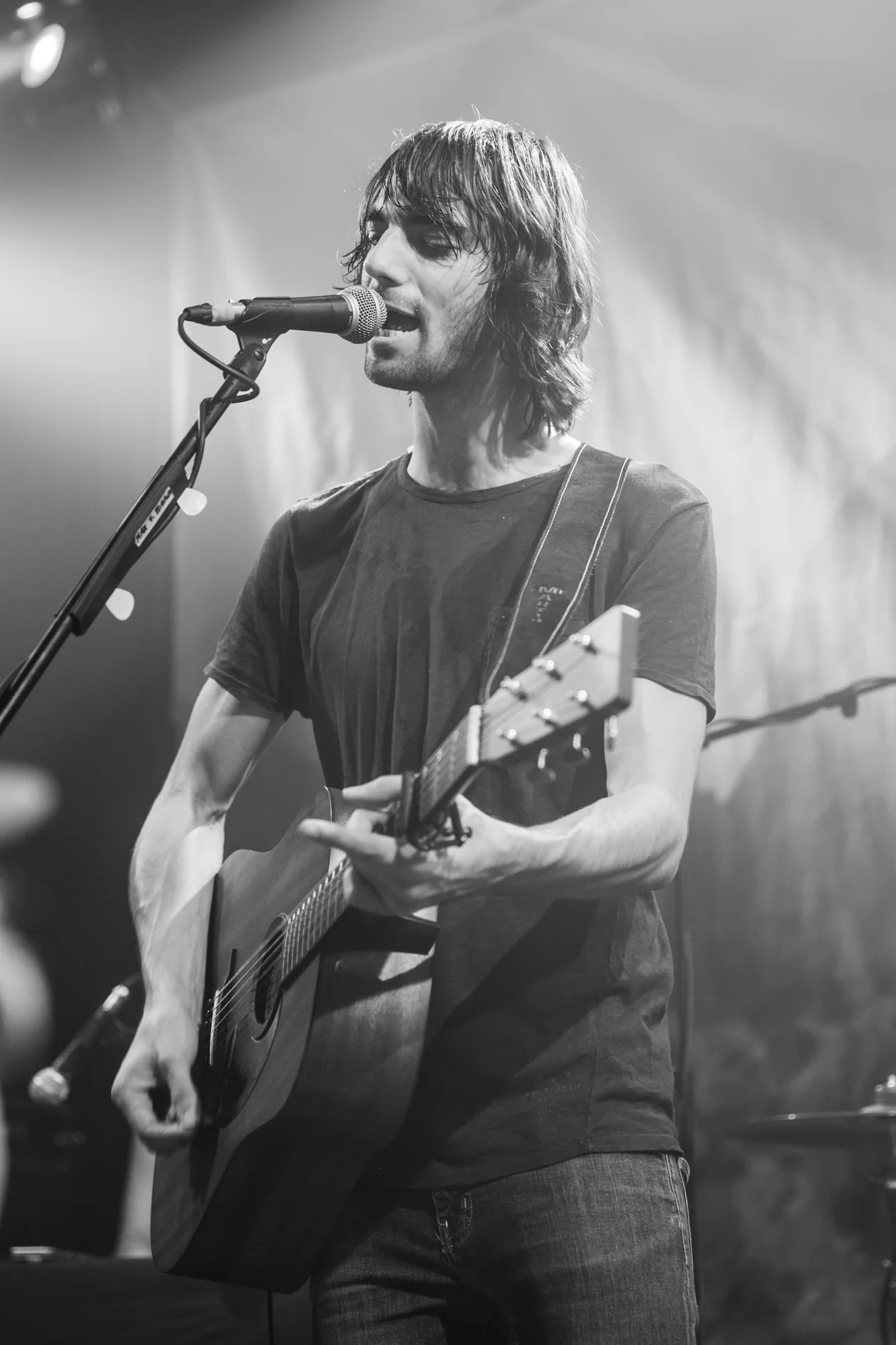
Image from Wikipedia
Image from Wikipedia
Max von Milland: The South Tyrolean Dialect Singer Between Home, Pop, and Poetic Vastness
An Artist Who Transforms South Tyrol Into Sound
Max von Milland, born Maximilian Hilpold on September 3, 1985, in Brixen, has developed into one of the most distinctive voices of South Tyrol as a dialect singer and songwriter. His music career represents a rare combination of dialectal grounding, modern pop aesthetics, and a strong sense of imagery, atmosphere, and authenticity. In his songs, the region resonates not only as a backdrop but as an emotional space of resonance. ([de.wikipedia.org](https://de.wikipedia.org/wiki/Max_von_Milland?utm_source=openai))
Biography: Between Brixen, Berlin, and Looking Outward
The artistic biography of Max von Milland begins in South Tyrol but quickly extends beyond his homeland. According to various profiles and press portraits, he sought a way out of the province to gain experiences and sharpen his own style. This tension between origin and departure shapes his work to this day: the language, the landscape, and the mentality of South Tyrol remain central themes, yet the sound consciously opens up to a broader, contemporary singer-songwriter pop. ([open.spotify.com](https://open.spotify.com/artist/3UctHL5g5Suan1DVTUoReQ?utm_source=openai))
His career gained momentum early on. In 2011, he received the Bavarian Promotion Award for young songwriters, further highlighting his quality as an author and performer. Shortly after, he played support slots for established acts like Sportfreunde Stiller and Söhne Mannheims, a crucial step in solidifying his stage presence in front of a large audience. The early attention from media and labels outside of South Tyrol demonstrates that his music resonated, being described as surprisingly mature, melodically assured, and stylistically distinct. ([universal-music.de](https://www.universal-music.de/max-von-milland/biografie?utm_source=openai))
The Breakthrough with Dialect Pop and International Pop Understanding
Max von Milland's breakthrough is closely linked to his first album Woher i eigentlich kimm, released in 2013, where the balance between dialect, pop melody, and indie feel was already remarkably well articulated. Universal Music described the tracks as remarkably mature, highlighting the clear arrangements and the international orientation of the songwriting. This is exactly where Max von Milland's strength lies: the dialect remains identity-forming but never becomes a stylistic limitation; rather, it adds color to an open, accessible soundscape. ([universal-music.de](https://www.universal-music.de/max-von-milland/news/ab-sofort-erhaeltlich-das-debuet-album-woher-i-eigentlich-kimm-207297?utm_source=openai))
An important moment of this early phase was his performance of "Leg di her" on the ARD show Inas Nacht in January 2013. Such TV appearances made the artist visible beyond the South Tyrolean music scene and confirmed his ability to stand out even in large media formats. The songs were designed for immediate impact from the beginning: melodically catchy, lyrically approachable, and imbued with a subtle sense of emotional nuances. ([de.wikipedia.org](https://de.wikipedia.org/wiki/Max_von_Milland?utm_source=openai))
Discography: From Debut to Recent Release Phase
The discography of Max von Milland traces the development of an artist who has continuously evolved. Following Woher i eigentlich kimm came Bis Dir Olls Wieder Gfollt (2015), Bring mi hoam (2018), Der Oanzige (2021), and Eisack (2023). Additionally, there are the EP Hoi (2024), the live album Hoi aus Bozen (Live) (2025), as well as the current EP Lei Liebe and the single Kimm mit (Oh Judith) from 2026. These releases demonstrate a clear trajectory: Max von Milland works not in leaps but in an organic artistic development. ([open.spotify.com](https://open.spotify.com/artist/3UctHL5g5Suan1DVTUoReQ?utm_source=openai))
Particularly, Der Oanzige marked a turning point. The album was created under pandemic conditions, which opened the writing process even more to collaborations. According to reports, von Milland worked with Peter Brugger, Nicholas Müller, and Henning Wehland, while the production was also supported by Kiko Masbaum, among others. Such constellations give the work added depth: the songwriter steps out of the solo perspective and expands his signature with new viewpoints without losing the emotional core. ([blue-shell.de](https://www.blue-shell.de/events/max-von-milland-verlegt-vom-09-05-22?utm_source=openai))
Sound and Style: Dialect, Pop, and Alpine Identity
Stylistically, Max von Milland moves between pop, singer-songwriter tradition, and regionally influenced dialect songwriting. His music is often described in profiles and press texts as a blend of tradition and modernity, of approachability and longing, of a sense of home and a cosmopolitan demeanor. This dual movement makes his appeal: he doesn’t tell folk stories but contemporary tales, with a sound that does not idealize the Alps but understands them as a vivid cultural space. ([open.spotify.com](https://open.spotify.com/artist/3UctHL5g5Suan1DVTUoReQ?utm_source=openai))
The arrangements also contribute to this impact. Already, the debut was praised for its clear production and strong melodic direction, and later organic band colors, brass, keyboards, and acoustic textures were increasingly added both in the studio and live. The song “Über’n Berg,” created in 2020 with LaBrassBanda, exemplifies this open approach: a piece that brings together dialect, popularity, and anthemic energy, making a significant impact in a live context. ([universal-music.de](https://www.universal-music.de/max-von-milland/news/ab-sofort-erhaeltlich-das-debuet-album-woher-i-eigentlich-kimm-207297?utm_source=openai))
Stage Presence, Collaborations, and Cultural Anchoring
Max von Milland has never understood his stage as merely a place of reproduction, but as a space of storytelling. Appearances in the support slots for a-ha, Sportfreunde Stiller, and Söhne Mannheims, followed by a highly significant stadium support for Kasalla in front of 45,000 people, showcase the range of his live ambitions. His stage presence thrives on proximity, clear communication, and that emotional authenticity that convinces an audience even when they don’t immediately understand every word in dialect. ([de.wikipedia.org](https://de.wikipedia.org/wiki/Max_von_Milland?utm_source=openai))
His cultural anchoring also includes his role as a voice and ambassador for South Tyrol. Sources describe him as an artist who translates the region around Brixen into music, carrying a piece of cultural identity outward. This connection between place, language, and pop is more than just a marketing motive: it is the core of a music career that transforms local roots into a broader narrative. ([open.spotify.com](https://open.spotify.com/artist/3UctHL5g5Suan1DVTUoReQ?utm_source=openai))
Current Projects: New Songs, New Band, and the Next Tour
The latest phase of Max von Milland is characterized by a new productivity. A tour with a fresh live formation is announced for 2026/2027; at the same time, new releases including Lei Liebe and Kimm mit (Oh Judith) indicate a continuing creative dynamism. A current press text also mentions a new band formation named “Die Brennenden Herzen,” which further expands the artist's live aesthetic. ([xn--freilufttne-zfb.de](https://xn--freilufttne-zfb.de/wp-content/uploads/go-x/u/b4818ffd-4037-4c06-a4d2-4bc8c4b4e54d/MvM_DBH_LIVE_PRESSETEXT.pdf?utm_source=openai))
Tour dates on streaming platforms and in press announcements also show: Max von Milland remains an active live artist with a presence in South Tyrol, Germany, and Austria. The new release phase is a continuation of the successful HOI TOUR and focuses on fresh songs, renewed arrangement concepts, and more intense stage work. His current artistic strength lies precisely in this: he does not repeat himself but consistently expands his own language. ([open.spotify.com](https://open.spotify.com/intl-de/artist/3UctHL5g5Suan1DVTUoReQ?utm_source=openai))
Critical Reception and Resonance
The critical reception of Max von Milland has been consistently positive over the years. Media and label texts repeatedly emphasize his sophisticated compositions, clear pop sensibility, and ability to translate regional identity into a universal context. Press texts also highlight that he delivers credible, emotional, and craft-solid work both in the studio and live. ([universal-music.de](https://www.universal-music.de/max-von-milland/news/ab-sofort-erhaeltlich-das-debuet-album-woher-i-eigentlich-kimm-207297?utm_source=openai))
His music thus reaches diverse audiences: fans of German-speaking pop, lovers of dialect music, people connected to South Tyrol, and listeners who seek songwriting with substance. That his songs are part of “This Is” playlists and featured in artist categories on streaming platforms further underscores his relevance in the digital music market. The mix of authenticity, clear signature, and emotional directness makes his work enduringly connectable. ([open.spotify.com](https://open.spotify.com/artist/3UctHL5g5Suan1DVTUoReQ?utm_source=openai))
Conclusion: Why Max von Milland Remains Exciting
Max von Milland is exciting because he does not turn home into a cliché but instead forms his own pop universe from language, experience, and landscape. His artistic biography shows development rather than stagnation, his sound connects dialect with contemporary production, and his stage presence embodies this attitude with great conviction. Those seeking music with character, cultural depth, and genuine emotional handwriting will find a substantial artist here. Max von Milland is an artist to be experienced live. ([open.spotify.com](https://open.spotify.com/artist/3UctHL5g5Suan1DVTUoReQ?utm_source=openai))
Official Channels of Max von Milland:
- Instagram: https://www.instagram.com/maxvonmilland
- Facebook: https://www.facebook.com/ichbinmaxvonmilland
- YouTube: no official profile found
- Spotify: https://open.spotify.com/artist/3UctHL5g5Suan1DVTUoReQ
- TikTok: no official profile found
Sources:
Upcoming Events
FreiLuftTöne - The Outdoor Pool Open Air in Bad Feilnbach