
Al Bano & Romina Power
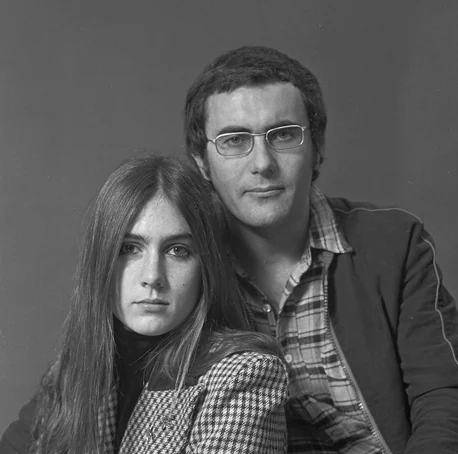
Image from Wikipedia
Image from Wikipedia
Al Bano & Romina Power – the Italian pop duo with timeless allure
A duo between Mediterranean melody, television glamour, and international cult status
Al Bano & Romina Power are among the defining pop formations from Italy. The duo, consisting of singer Al Bano and singer, actress, and author Romina Power, became widely known beyond national borders in the 1970s and 1980s, combining catchy melodies with a distinctive, emotional stage presence. Their greatest international successes include songs like Felicità, Sharazan, and Sempre sempre, which are still considered the epitome of Italian pop sentiment. ([de.wikipedia.org](https://de.wikipedia.org/wiki/Al_Bano_%26_Romina_Power?utm_source=openai))
The beginnings: two biographies intertwined in music history
The story of Al Bano & Romina Power is also the tale of two very different artistic backgrounds. Al Bano, born in 1943, established himself prior to the duo as a singer with a distinctive, powerful voice and a career that was early on connected with Italian entertainment culture, film, and competitive successes. Romina Power was born in 1951 in Los Angeles and brought an international perspective, cinematic experience, and a natural stage presence to the collaboration. Together, they formed an artistic couple that combined intimacy with grand pop gestures. ([de.wikipedia.org](https://de.wikipedia.org/wiki/Al_Bano_%26_Romina_Power?utm_source=openai))
Romina Power describes her youth between Los Angeles, Mexico, England, and Rome in her official biography as a formative phase of observing, learning, and arriving. This cultural mobility is also reflected in her artistic stance: music, film, writing, and painting never coexist as mere coincidences but as different expressions of the same personality. The official page also emphasizes that her creative development is driven by curiosity, discipline, and a quiet, reflective presence. ([rominapower.com](https://rominapower.com/bio/))
The breakthrough: Sanremo, Eurovision, and the sound of a whole generation
The actual international breakthrough for the duo came in the 1980s. Beginning with Sharazan and then Felicità, Al Bano & Romina Power became a sought-after pop export across Europe, merging Italian Schlager tradition, melodic mainstream, and romantic directness. The duo regularly performed at the Festival di Sanremo and also participated in the Eurovision Song Contest, further solidifying their reputation as culturally representative voices of Italy. ([swr.de](https://www.swr.de/swr4/musik/saenger-al-bano-wird-80-jahre-alt-feiert-mit-romina-power-in-italien-100.html?utm_source=openai))
The impact of these songs was especially strong in Germany, Italy, and several European markets. The sound was often described as accessible, warm, and melody-focused; AllMusic refers to its closeness to grand pop harmonies reminiscent of the shiny family pop of the 1970s and 1980s. This blend of lightness and emotional weight made the duo relatable to a wide audience while remaining unmistakably unique. ([allmusic.com](https://www.allmusic.com/artist/al-bano-mn0000511036?utm_source=openai))
Career highlights and artistic development
Al Bano & Romina Power shaped not only a phase of Italian pop but also the public perception of the musical couple. Their performances were characterized by harmony, recognizability, and a strong visual identity: elegant clothing, clear melodic lines, emotional refrains, and a presence that worked equally well on large stages and on television. In the 1980s, the duo was a staple of the international entertainment canon and remained exceptionally popular, particularly in the German-speaking world. ([de.wikipedia.org](https://de.wikipedia.org/wiki/Al_Bano_%26_Romina_Power?utm_source=openai))
After their musical paths diverged, Al Bano continued to evolve as a solo artist while Romina Power expanded her artistic work in several directions. Nevertheless, the shared history remained alive: in 2013, 2015, and later on both appeared together on stage or as guests, demonstrating the ongoing interest in their duo identity. In 2020, they presented a new joint song, Raccogli l’attimo, which was interpreted as a late return to their shared musical language. ([de.wikipedia.org](https://de.wikipedia.org/wiki/Al_Bano_%26_Romina_Power?utm_source=openai))
Discography: the great albums and singles
The discography of Al Bano & Romina Power includes a series of albums charting the duo's journey from the early 1970s to the later stages of their collaboration. These include Atto I (1975), 1978, Aria pura (1979), Sharazan (1981), Felicità (1982), Che angelo sei (1982), Effetto amore (1984), Sempre sempre (1986), Libertà! (1987), Fragile (1988), Fotografia di un momento (1990), Vincerai (1991), Notte e giorno (1993), Emozionale (1995), Ancora... Zugabe (1996), and Raccogli l’attimo (2020). ([en.wikipedia.org](https://en.wikipedia.org/wiki/Romina_Power?utm_source=openai))
Particularly, Felicità has become a global trademark for the duo and remains one of the most famous Italian pop songs worldwide. The combination of its catchy chorus, clear harmonic work, and emotional directness made the track a mainstay in radio, television, and live performances. Songs like Sharazan and Sempre sempre are also among the hits that allowed the duo to remain present for decades. ([swr.de](https://www.swr.de/swr4/musik/saenger-al-bano-wird-80-jahre-alt-feiert-mit-romina-power-in-italien-100.html?utm_source=openai))
Style and musical signature
The style of Al Bano & Romina Power thrives on contrasts that surprisingly complement each other. Al Bano's powerful tenor voice carries pathos and volume, while Romina Power's bright, softer vocal color forms a lyrical counterpoint. Together, they create a pop idiom based on clear melody, precise song structure, and an arrangement understanding aimed at immediate recognizability. ([allmusic.com](https://www.allmusic.com/artist/al-bano-mn0000511036?utm_source=openai))
Musically, the duo stands at the intersection of Italian Schlager, European mainstream pop, and televised entertainment culture. Their songs are often characterized by romantic intensity, dramatic clarity, and a certain grandeur, without losing accessibility to a broad audience. This balance explains why their music is perceived not only as nostalgic but also as stylistically influential in retrospectives. ([de.wikipedia.org](https://de.wikipedia.org/wiki/Al_Bano_%26_Romina_Power?utm_source=openai))
Cultural influence, resurgence, and contemporary relevance
The cultural influence of Al Bano & Romina Power extends beyond mere chart success. Their songs became symbols of a particular conception of Italian pop emotionality: sunny, melodic, audience-friendly, and internationally understandable. Particularly in Germany, the duo remained a popular touchstone for Schlager and pop fans for decades, connecting these songs with familial, media, and biographical memories. ([swr.de](https://www.swr.de/swr4/musik/saenger-al-bano-wird-80-jahre-alt-feiert-mit-romina-power-in-italien-100.html?utm_source=openai))
Even in 2025, public attention remains high. Several media outlets reported on joint appearances, a press tour in Spain, and new concert announcements, including dates as part of festival and live programs. The reports show that the duo is far from being just a nostalgic chapter; they are still an active brand with emotional appeal and vibrant stage presence. ([elpais.com](https://elpais.com/gente/2025-04-10/al-bano-carrisi-y-romina-power-en-su-regreso-como-duo-al-escenario-nunca-se-llevaban-los-problemas-de-casa.html?utm_source=openai))
Conclusion: why Al Bano & Romina Power continue to captivate
Al Bano & Romina Power intertwine musical memory, deep emotions, and true pop history. Their success is derived from a rare blend of vocal identity, melodic clarity, and a public narrative that intertwines music, biography, and culture. Anyone experiencing these songs live immediately feels why the duo evokes such a strong resonance across generations. ([allmusic.com](https://www.allmusic.com/artist/al-bano-mn0000511036?utm_source=openai))
Their enduring strength lies particularly on stage: here, experience, charisma, and a catalog of songs converge, which have long become part of European pop history. Therefore, Al Bano & Romina Power remain more than just a nostalgic name from the 1980s – they are a living chapter of Italian music culture that can be rediscovered with each encounter. ([elpais.com](https://elpais.com/gente/2025-04-10/al-bano-carrisi-y-romina-power-en-su-regreso-como-duo-al-escenario-nunca-se-llevaban-los-problemas-de-casa.html?utm_source=openai))
Official channels of Al Bano & Romina Power:
- Instagram: https://www.instagram.com/albano_official_/
- Facebook: https://www.facebook.com/albanoacproduction/
- YouTube: https://www.youtube.com/channel/UCVmRM-SzS6WhvWTImlNjvYQ
- Spotify: no official profile found
- TikTok: no official profile found
- Romina Power Official Website: https://rominapower.com/en/home-english/
- Romina Power YouTube: https://www.youtube.com/rominausa
- Romina Power Instagram/Facebook/TikTok: no official profile found
Sources:
- Wikipedia – Al Bano & Romina Power
- Romina Power – Official Website
- Romina Power – Official Biography
- AllMusic – Al Bano Biography
- AllMusic – Al Bano & Romina Power Biography
- Rockol – Al Bano Profile with Official Social Links
- ItalianOpera.org – The biography of Al Bano
- SWR4 – Al Bano turns 80
- Antena 3 – Interview with Al Bano & Romina Power (2025)
- LOS40 – Concerts in Spain and El Hormiguero (2025)
- Cadena SER – Starlite Announcement (2025)
- Wikipedia: Image and text source